Every writer has had that moment: you use a perfectly normal word, the kind you grew up with, the kind your teachers used, the kind that lived on the covers of the books you loved — and someone swoops in to “correct” you. Not gently. Not collaboratively. But with that unmistakable little flourish of superiority.
It happened to me recently over a single word: anthology.
I used it the way most readers do, the way I learned it in school, the way Bradbury and Le Guin were taught to me — as a book of stories. A multi‑story reading experience. A curated set of tales you enter one piece at a time.
Someone jumped in to “pick nits,” as they put it, and announced that I was wrong. According to them, an anthology can only be written by multiple authors, and my book — a single‑author flash‑fiction collection — could not be called one.
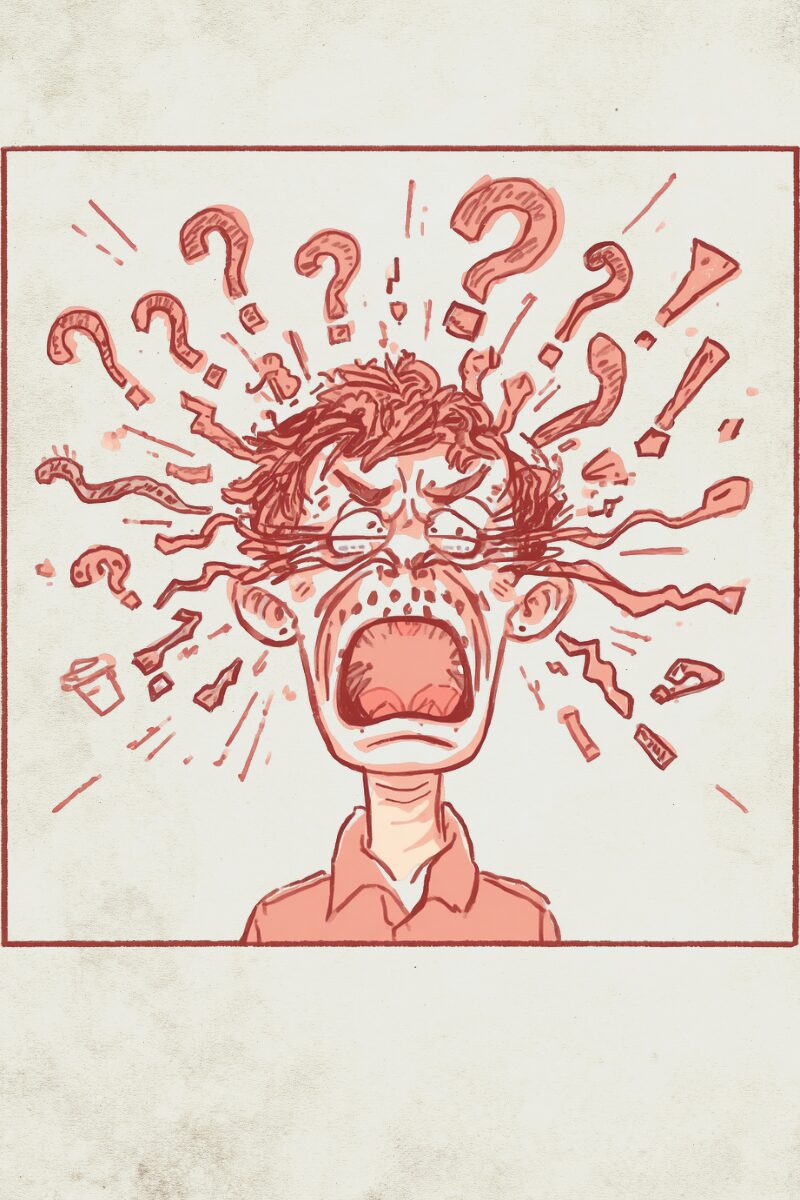
And I’ll be honest: the tone landed harder than the content. Not because I’m afraid of correction. Not because I’m precious about terminology. But because the correction wasn’t actually correct — and because it carried the unmistakable energy of gatekeeping.
What the dictionary says
Here’s what major dictionaries say an anthology is:
- Merriam‑Webster: “A collection of selected literary pieces.”
- Oxford: “A published collection of poems or other pieces of writing.”
- Cambridge: “A collection of artistic works… by different authors or by one author.”
Not one of these definitions requires multiple authors.
So the way many of us learned the word — the way classroom books taught it — is valid. It’s normal. It’s correct.
Your memories of reading Bradbury and Le Guin in school? They fit the dictionary definition perfectly.
What the publishing industry says
Inside publishing, the terms narrow:
- Collection → one author
- Anthology → multiple authors
This distinction exists for:
- rights management
- contributor agreements
- metadata
- shelving
- distributor systems
It’s not a universal truth. It’s not a dictionary truth. It’s not even a reader truth. It’s an industry truth.
Both definitions exist. Both are correct in their own contexts.
Where things go wrong
The problem isn’t the information. It’s the tone.
There’s a world of difference between:
“Hey, just a heads‑up — in publishing, they use ‘collection’ for single‑author books.”
and
“Not to pick nits, but you’re wrong.”
One invites learning. The other invites shame.
And shame shrinks creative rooms. It makes people hesitate before asking questions. It makes people second‑guess their instincts. It makes people feel small over things that don’t actually matter.
Creative spaces should be the opposite of that.
I see this all the time in my classes
Because I teach writers, I see the aftermath of gatekeeping constantly.
A student will come in carrying a rule they were told by someone who sounded authoritative — a rule that’s incomplete, oversimplified, or flat‑out wrong — and they’re terrified to break it. Terrified to trust themselves. Terrified to step into their own creative space.
They’ve been taught to fear mistakes instead of explore craft.
They’ve been taught that someone else’s authority matters more than their own voice.
They’ve been taught that writing is a hallway where gatekeepers stand guard.
And every time, I find myself saying the same thing:
You’re a writer. You get to stand in your own space. You don’t need a gatekeeper to validate your terminology, your voice, or your work.
That’s not arrogance. That’s sovereignty.
Remember who you are
I’m an indie author. I built my own imprint. I publish my own books. I run my own newsletter. I manage my own catalog. I built my own platform.
I don’t need a gatekeeper — and neither do my students.
We get to define our own creative spaces. We get to protect them from tone that makes learning feel unsafe. We get to trust our lived experience, our dictionaries, and our craft.
And we get to ignore corrections delivered with superiority instead of generosity.
So what should you call your book?
Call it what fits your context.
If you’re talking to readers? “Anthology” is fine. Dictionaries back you up.
If you’re talking to publishers or distributors? Use “collection.” It’s the industry term.
If someone corrects you with tone? You’re allowed to ignore it.
You’re allowed to trust your lived experience. You’re allowed to trust the dictionary. You’re allowed to trust your own voice.
And you’re absolutely allowed to walk away from any class taught by someone who confuses pedantry with pedagogy.
Leave a Reply