↓
 
  • Noony’s Blog
  • About Noony
  • Extras
    • Essays
    • Flash Fiction
    • Poems

A Catherine Noon

Explore the Worlds of A. Catherine Noon | Bestselling Author

Header image
<< 1 2 … 20 21 22 23 24 … 102 103 >>

Post navigation

← Older posts
Newer posts →

T Is For… Temp Work!

A Catherine Noon

2015-04-23 Pic 1Temp work is a good way to learn the world of work without committing to a particular company.  Temporary agencies are used by companies of all sizes, from small single proprietorships to multi-national corporations.  You can spend your time learning the culture of the company to see if it fits with your goals and personality, and learn a lot about adaptive job skills in the process.

As a temp, I’ve done work in a declassified vault, filing documents; photographed graves for genealogical research; and lots and lots of copying of documents.  I can unjam copiers, fax machines, and printers; and put toners in all of them.  I’ve worked on all sorts of networks.  I’ve dealt with many different personality types and demographical groups.

To get your engines started, here are some ideas:

Adecco | OfficeTeam | Manpower | Accountemps

What about you, Dear Reader?
What kinds of job resources do you like to use?

T Is For… Tunisian Crochet!

A Catherine Noon

2015-04-23 Pic 1

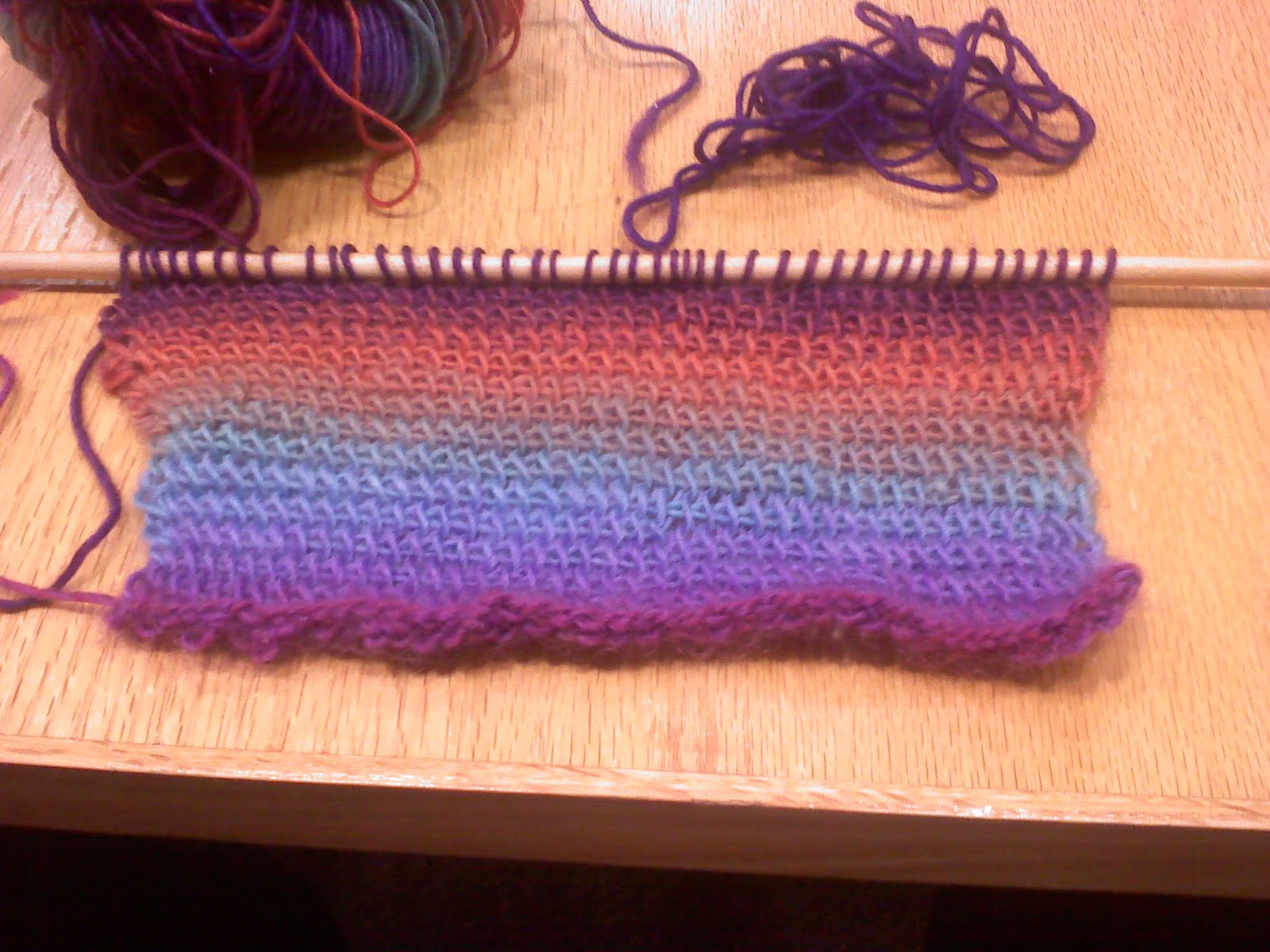
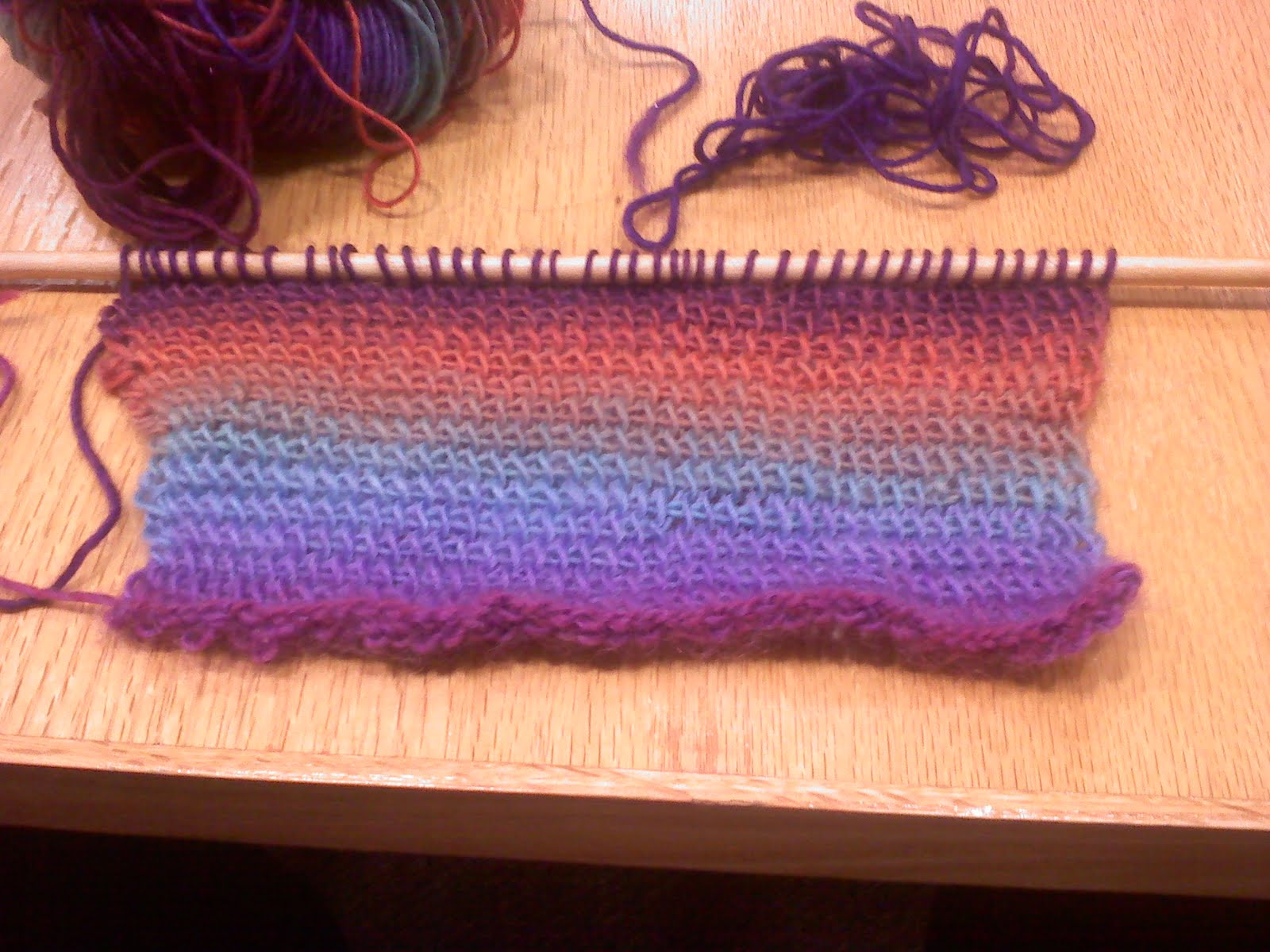
A few years ago, I decided to try Tunisian crochet.  I took a class at a local store and talked about the challenges of the art in a blog post, here.  Since then, I haven’t played with it much, other than to give it a shot for a project that became a gift for a friend.  I used the basic Tunisian crochet stitch to make a pocket on a backpack.  It’s like anything else, if you take the time to practice, you get better.

I made a fabulous discovery recently.  There’s a site called Craftsy that has classes on all sorts of crafts, from textile arts to visual arts, cooking, woodworking, you name it.  They’re adding new content all the time.  They have a great class in Tunisian crochet that I found super useful.  My blocks around translating 2-D to 3-D aren’t as difficult to overcome with the videos, because you can stop and start and replay to your little heart’s content – even better than feeling like you’re annoying the poor teacher by asking them to show you something, again.  Here’s the class on Tunisian Crochet so you can check it out.  Be sure to poke around, they have free classes so you can try them out without committing money.

What about you, Dear Reader?
What classes look fun to try?

S Is For… Stars

A Catherine Noon
IC434 & B33 Horsehead Nebula Close-up with NGC-2023

Image from APOD, NASA. http://apod.nasa.gov/apod/ap131231.html

I grew up on a ranch in the middle of the Sierra Nevada mountains, away from the lights of any city.  At night, you could see the stars – the constellations, the Milky Way, the planets, and the moon.

When I went to college, I was for a brief time an Astrophysics major.  I was unable to secure funding to be able to finish the degree, which is why I ultimately got a Russian degree, but one of my classes in observational astronomy we visited the university’s observatory.  Mine was the last class to get that opportunity before it was closed due to light pollution.  We got to see the Horsehead Nebula, among other things.

To be honest, it looked like a blob to me.  The picture, above, is much better – of course it would be, since it’s one of NASA’s photos.  There is a wealth of astronomical information on the web, available for a click.

Astronomy Magazine | Astronomy Picture of the Day (NASA) | Astronomy Now | Space.com

What about you, Dear Reader?
What are your favorite science websites?

S Is For… Soapmaking!

A Catherine Noon

IMAG0710

Soap.  We all use it.   But do we really understand what it is?

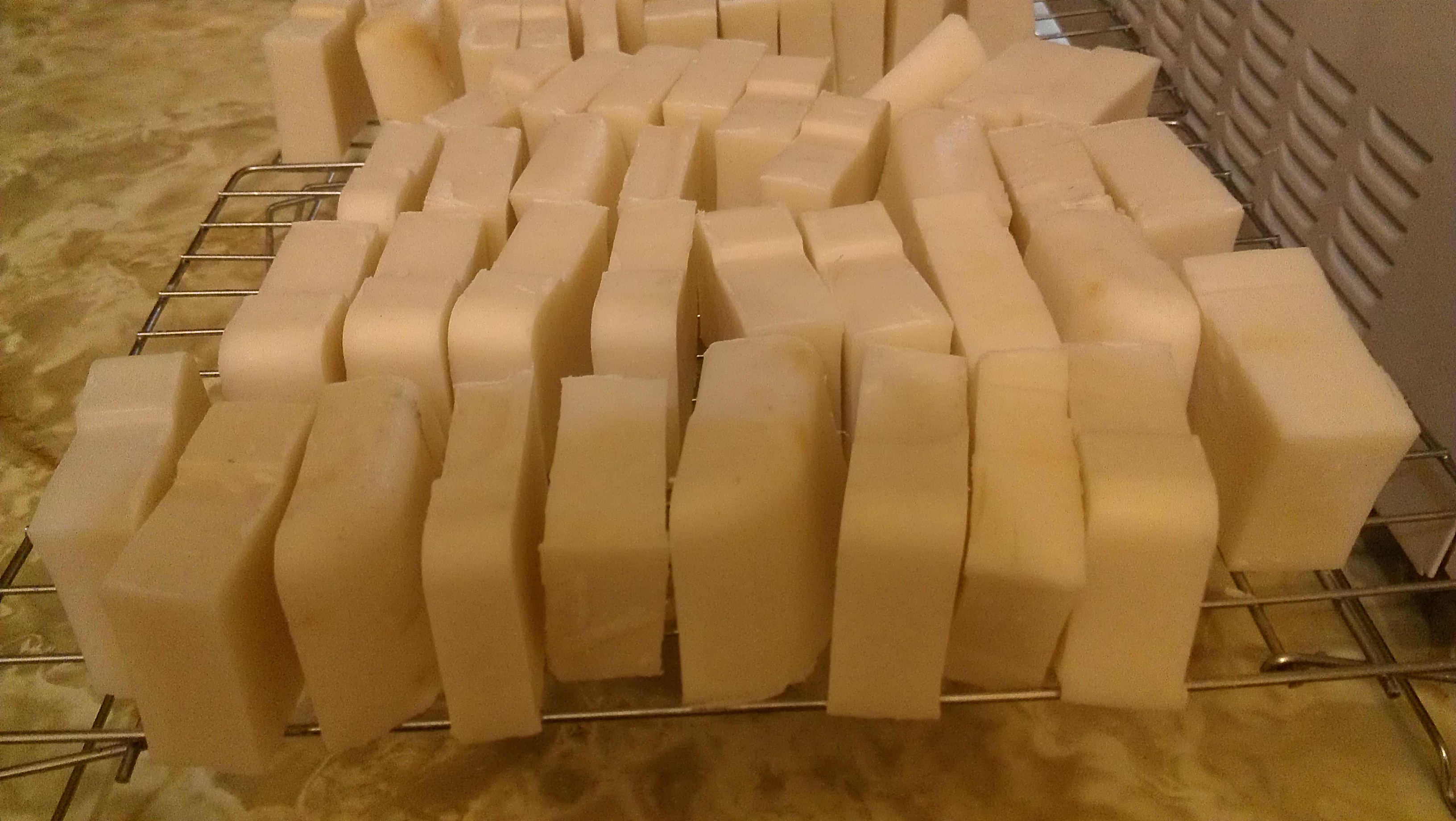
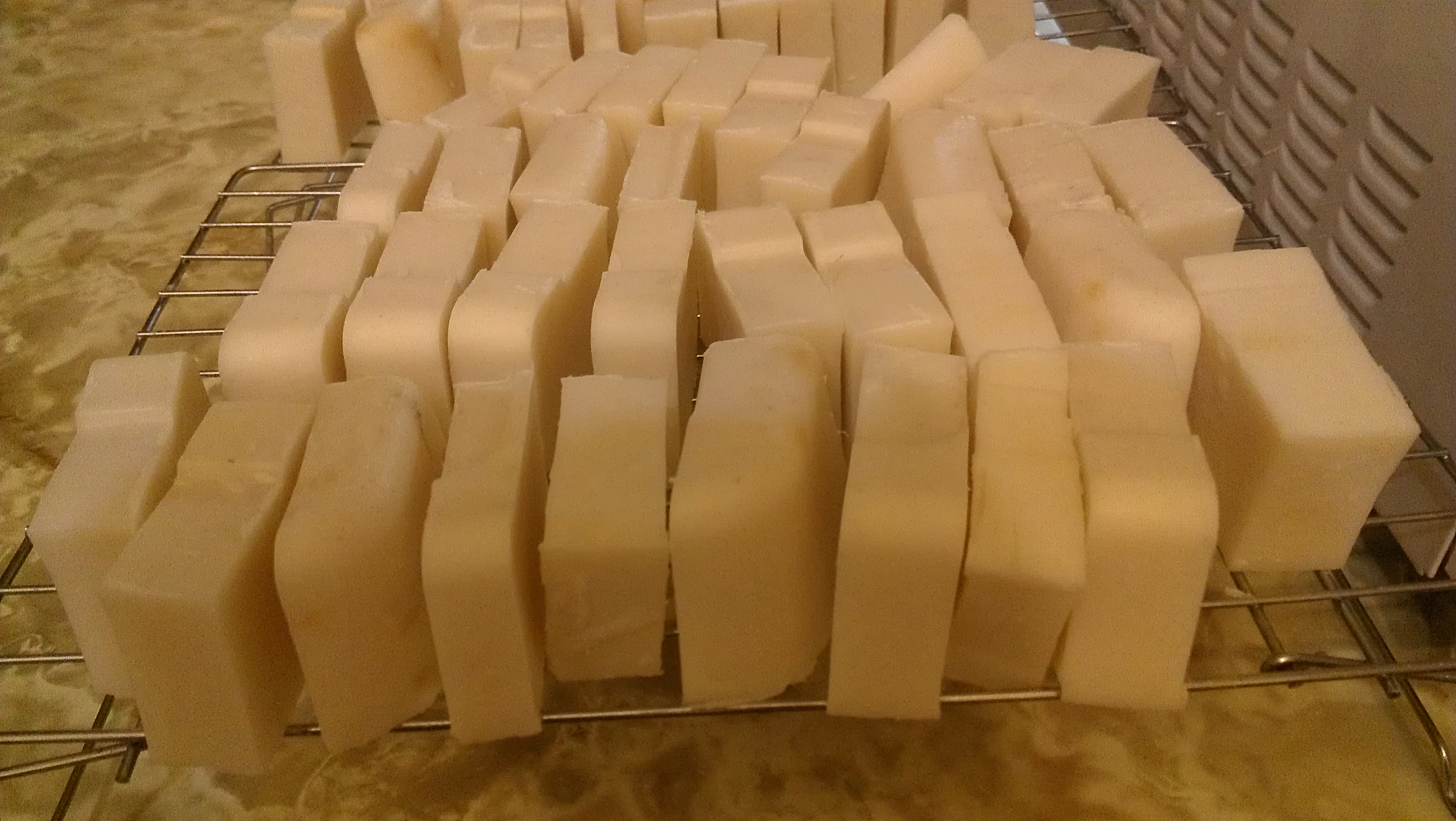
Most, if not all, of the stuff we buy at the grocery store or fancy upscale shops isn’t soap, it’s detergent – or, if you’re lucky, it might just be glycerin, which is a part of the soapmaking process but still not actual soap.  Soap is made when you add lye to fat and it saponifies, the chemical reaction that results in soap.  Far from producing the harsh bars of yesteryear, today’s craft soapmakers can make a variety of fine products that nourish the skin instead of stripping it of its natural oils.

The bars above are a simple, basic soap that can then be grated down and mixed with more water, as well as other additives like essential oils, herbs, flowers, and fruits, to create French milled soap.  Made by “cold process,” they contain pork fat (lard), olive oil (pomace), coconut oil, and lye.  C’est fini.  That’s all.  The great thing about these bars is that if you have sensitive skin, as I do, it doesn’t irritate it (unless you have a specific allergy or intolerance for the ingredients themselves.

What about you, Dear Reader?
What kinds of body cleansers do you like?


R Is For… Rubbings!

A Catherine Noon

RGrave rubbings is a hobby common in genealogy.  People interested in their family history sometimes make rubbings of their ancestors’ grave markers as a way of preserving it as art.  I don’t know where most of my ancestors are buried, so that’s not something I’ve been able to do with my genealogical research; however, that doesn’t mean it’s not something that is a satisfying way to spend an afternoon.

Some friends and I went to the memorial at Tippecanoe Battlefield, not far from Lafayette, Indiana.  Many of the graves had gorgeous stone carvings and we took a box of crayons specifically saved for this purpose.  We wandered the graveyard for about three hours, looking for designs and my friend’s ancestors.  It was sobering to know that so many people died there, but we came home with some beautiful reminders of our trip.  Sadly, when researching for this post, I couldn’t find the file where I stored them, so clearly I need to do some more filing.  But the memory of the day, and spending time with a friend who herself has now passed on, is bright in my mind.

I found an interesting article in Family Tree Magazine that details how to make grave rubbings, if you’re not familiar with the practice.  As I said, I keep a special box of crayons (one of the deluxe ones with all the colors, I might add) for the purpose.  It’s even got bold writing on the lid, “for rubbings only.”

What about you, Dear Reader?
Where might you go to make some rubbings?

R Is For… Reading!

A Catherine Noon

2015-04-21 Pic 1Books. It’s what unites us. If you’re a reader, then you know what I mean. If not, then… I don’t get it.  There is a breed of person who is “not a reader,” but I don’t understand them at all.  I remember the first time I heard that there are people who don’t eat books the way that I do, and I’m married to one.  But they puzzle me.

I know the smell of books and paper.  I adore typefaces.  I’ve read books in the bathtub, in bed, in the kitchen, the living room, the dining room, the restaurant, on the bus, train, boat, and airplane, and everywhere in between.  I remember one holiday season, I was reading one of the Myth Adventures by Robert Asprin and a woman sitting next to me commented on the fact I was laughing at what I read.

I wanted to say, please, don’t interrupt me, I’m reading; but I was polite.

Why do people insist on interrupting one when one is engrossed in a good book?

What about you, Dear Reader?
What’s the first book you remember reading?

Q Is For… Quotes!

A Catherine Noon

2015-04-20 Pic 1

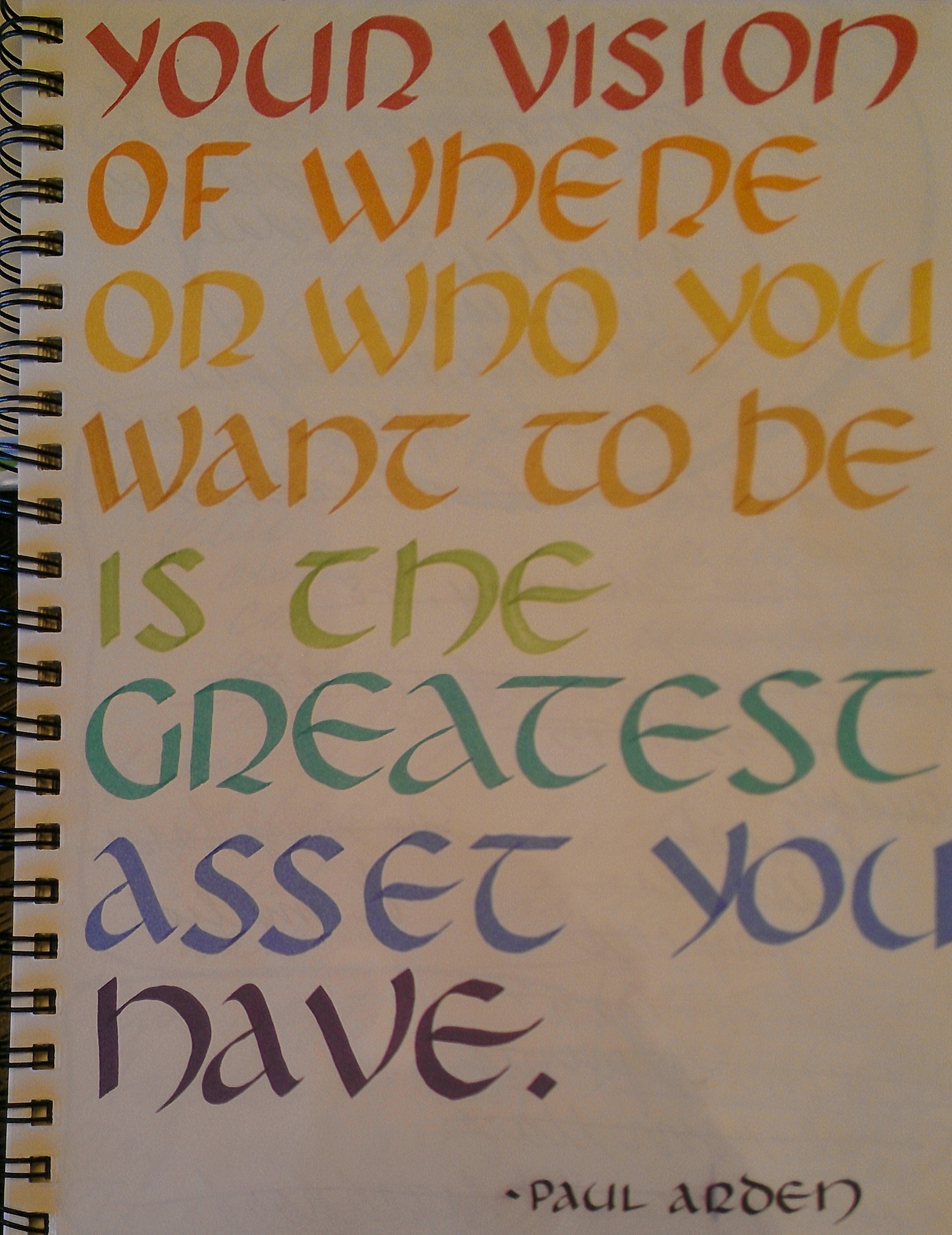
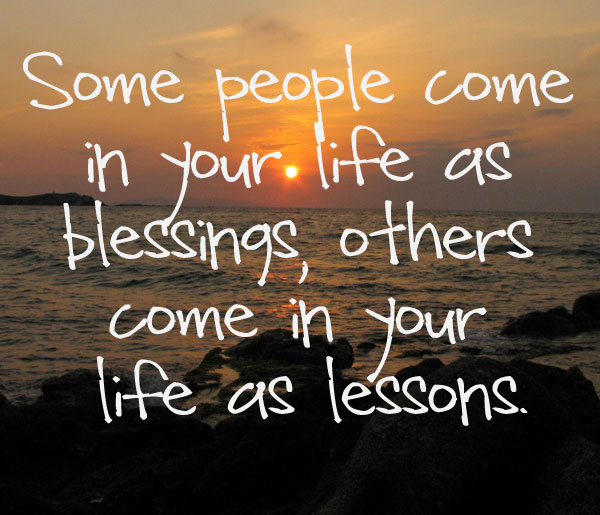
I love quotes.  I have several quote dictionaries on my shelf, on subjects ranging from leadership to inspirational to a treasure trove for public speakers.  On Twitter, one of the popular hashtags is #quotes, and people from around the globe share things that inspire them.  There are many online resources, including BrainyQuote and Bartleby.  As a calligrapher, I like quotes to use as the genesis of an art piece.

Calligraphy by A. Catherine Noon Copyright March 2015. All Rights Reserved.

Calligraphy by A. Catherine Noon
Copyright March 2015. All Rights Reserved.

What about you, Dear Reader?
What are some of your favorite quotes?

Q Is For… Quilling!

A Catherine Noon

2015-04-20 Pic 2

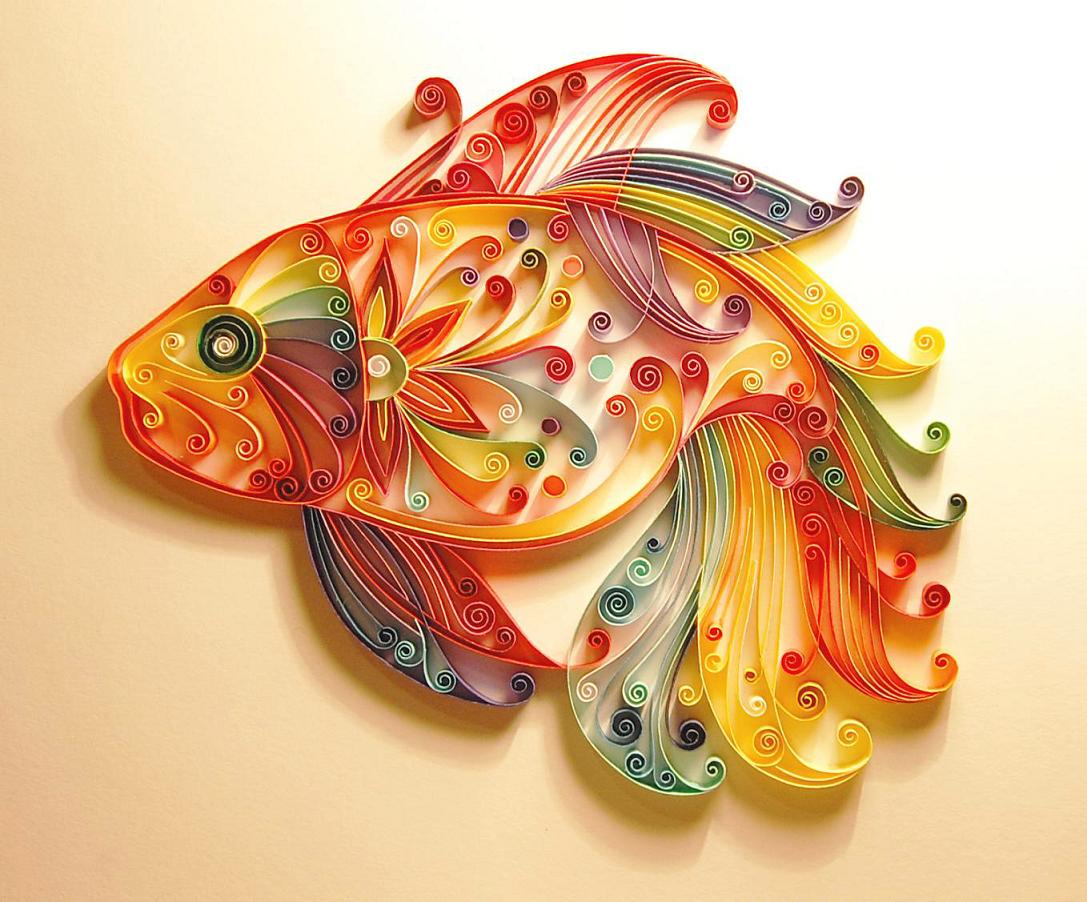
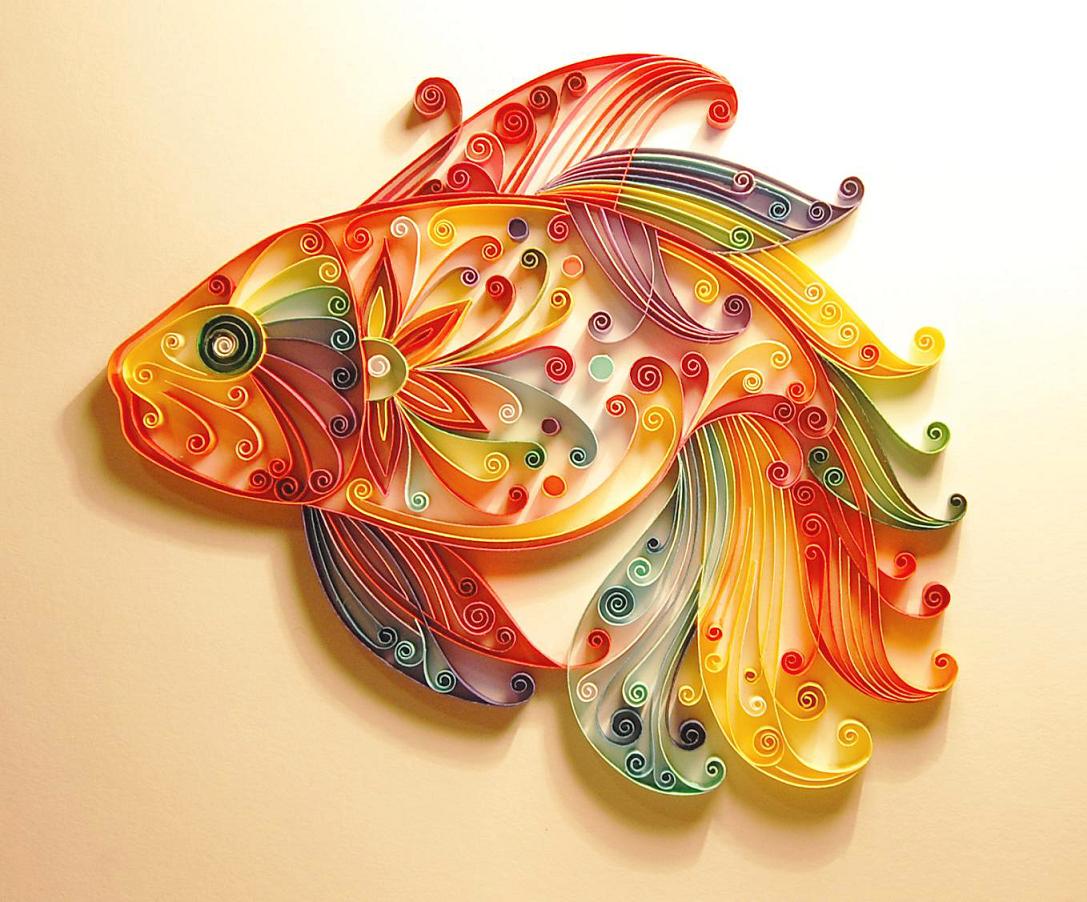
One art I’d like to try someday is quilling.  This is an art that uses small strips of paper, wound to various tightness, to create a three-dimensional art.  When I was a child, I remember seeing ones that were usually monochromatic, usually white.  I don’t know if that’s because it was in vogue at the time or if that particular area of California just had artists that liked working in plain colors; but when I did some research for my post, I found some amazing, inspiring images.  Take a look.

2015-04-20 Pic 1

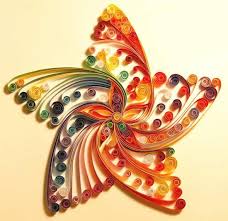
I love how simple this star is, and how it cycles through the colors of the rainbow.

2015-04-20 Pic 3

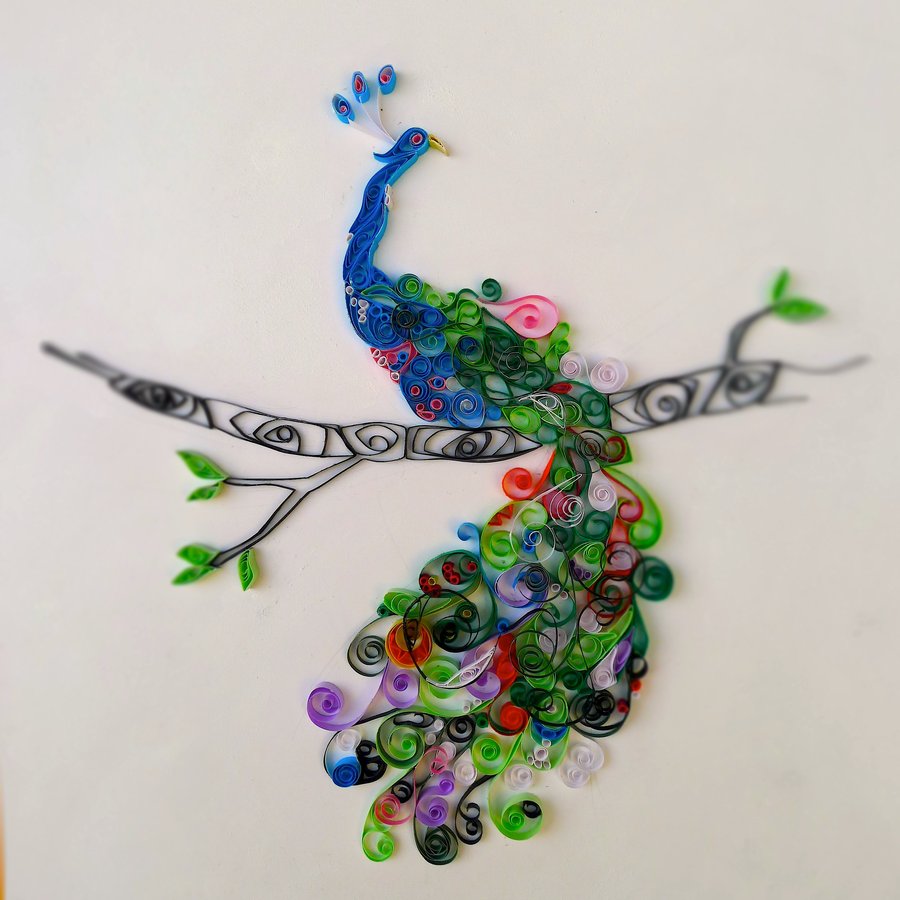
I love peacocks!  This one is incredible – look at the level of detail!  The height of the pieces differs depending on whether it’s the branch or the bird, too.  Such complexity!

I found a detailed YouTube channel that has classes in quilling for free, here.  You can see all the different kinds of designs possible and maybe get inspired to try it yourself!

What about you, Dear Reader?
What art calls to you, that you haven’t tried yet?

P Is For… Physics!

A Catherine Noon

2015-04-18 Pic 1
The first time I realized I loved physics, and not just astronomy, was in a class in high school. The teacher was a ball – he taught photography, as well as physics, and had a bowling ball hanging from a chain over the counter in the front of the class. He would have a student sit up on the counter and bring the ball up to their nose and let it go – a living example of pendulum theory, but of course we all thought there’d be a bloody nose involved. There wasn’t, of course, and I was hooked.

Then he explained that a heat coil on the back of a refrigerator is how the fridge stays cold, and I thought, this isn’t physics, it’s magic!

“Any sufficiently advanced technology is indistinguishable from magic.”
-Arthur C. Clarke, British author, scientist, and natural philosopher

What about you, Dear Reader?
Which of the sciences intrigue you? Physics, Chemistry, Biology, what?

P Is For… Pysanky!

A Catherine Noon
img_0009_01

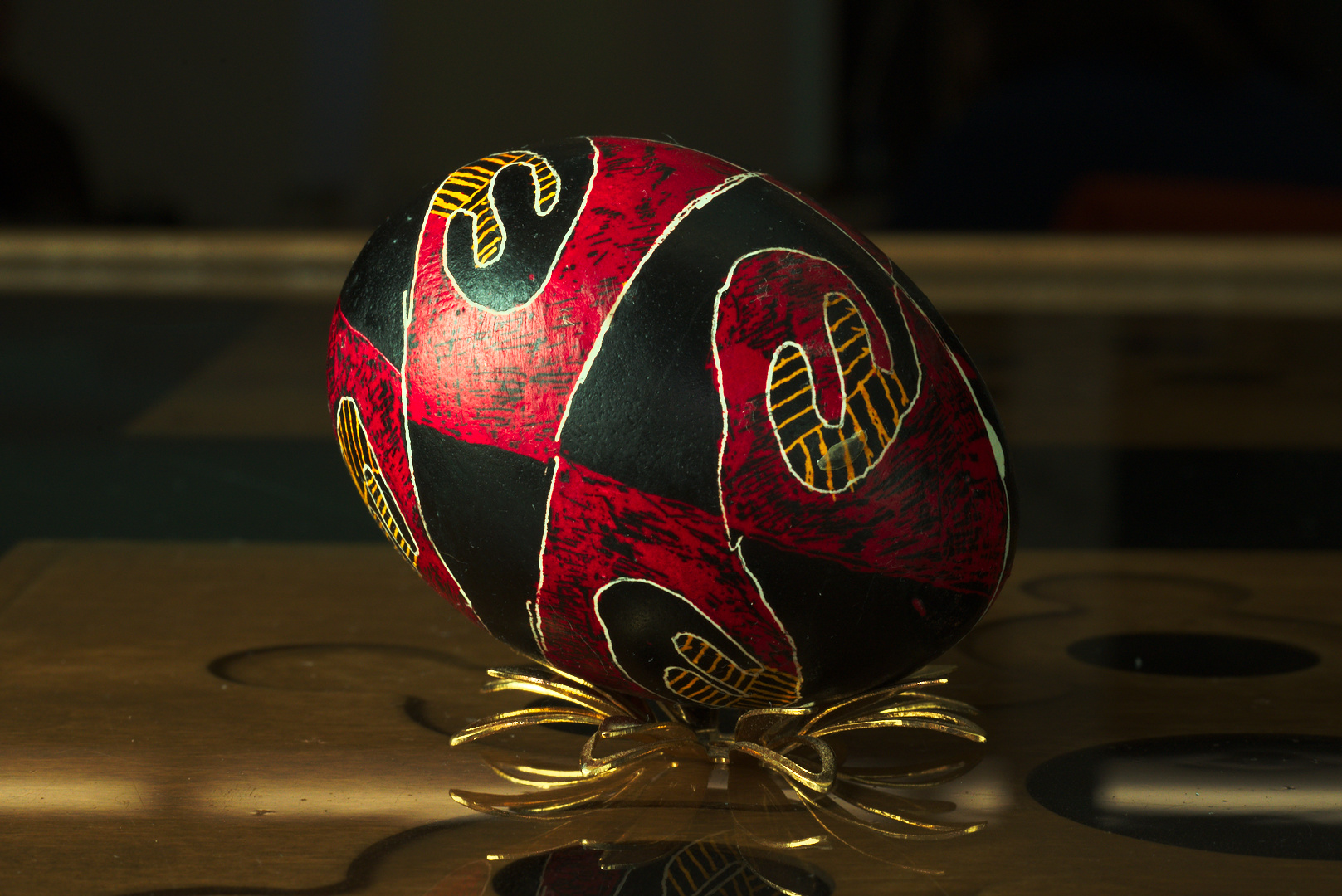
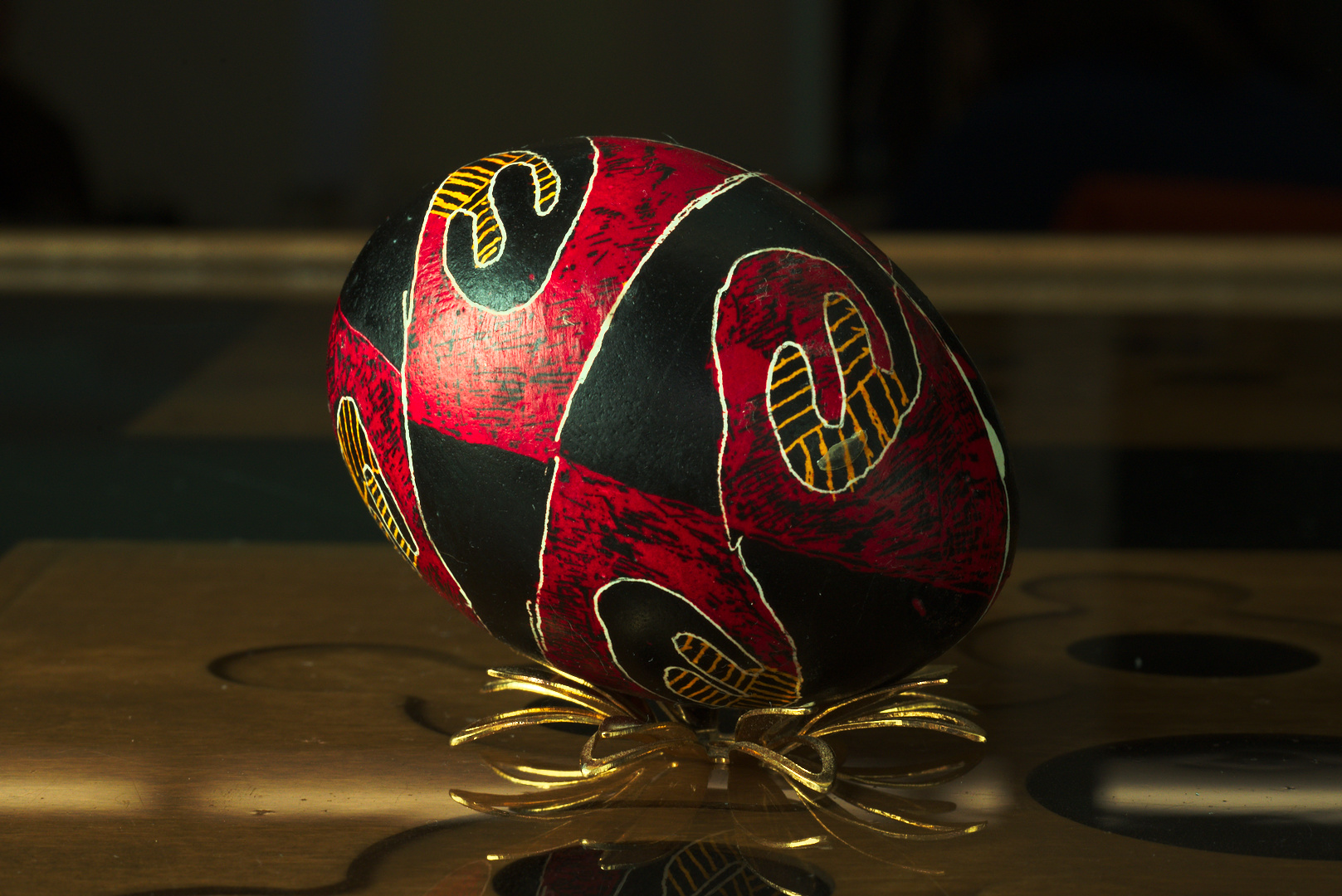
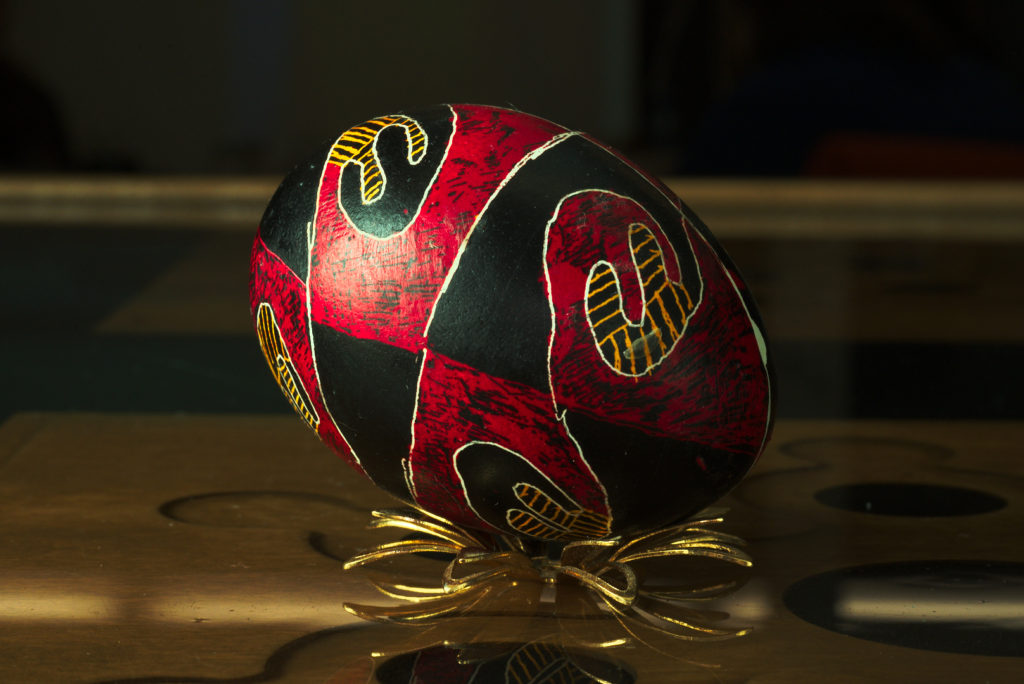
Egg decorated by A. Catherine Noon from a design in the Ukrainian Design Book by Perchyshyn et al. Image Copyright 2014 Everett C. Wilson. Used with Permission

I adore pysanky.  I talked about the legend about them on my main blog a couple weeks ago, here.  Today, I wanted to talk more about the craft of making them, since Knoontime Knitting is about the crafts.  I was first introduced to the art of pysanky, or Ukrainian decorated eggs, when I moved to Chicago back in 1998.  The art, however, has a history stretching back 5,000 years.  The tools are reminiscent of Bronze Age technology:  the kistka, which is used to draw on the egg with melted wax, is a simple metal funnel attached to a stick with wire.  The wax is typically beeswax.   The egg…

Well, we all know where eggs come from.

But which came first, the chicken or…

Come on, I couldn’t help myself.  ANYway, pysanky is a slow process, because you draw the designs on the egg, then put it in a dye bath, then draw some more, then dye, until the design is finished.  You’re not done there, however.  You then melt the wax from the egg, using either a candle and paper towel or a melting board and an oven.  I’ve only used the candle method, though I’m curious to try the oven method one of these days.

The designs themselves have ancient history too.  The design above, for example, represents bear claws.  The colors represent the mother goddess.  The red is actually supposed to be solid, but I like how the wax didn’t quite cover it all the way and there are flecks of black in it.

That’s what pysanky teaches you:  no matter how painstakingly you work, the pysanka always has the last word.  Part of the art is about acceptance, and another is about patience.

What about you, Dear Reader?
What have your hobbies taught you?
Post navigation

← Older posts
Newer posts →
©2026 - A Catherine Noon - Weaver Xtreme Theme
↑