↓
 
  • Noony’s Blog
  • About Noony
  • Extras
    • Essays
    • Flash Fiction
    • Poems

A Catherine Noon

Explore the Worlds of A. Catherine Noon | Bestselling Author

Header image
<< 1 2 … 22 23 24 25 26 … 102 103 >>

Post navigation

← Older posts
Newer posts →

J Is For… Jewelry

A Catherine Noon

2010-03-15 Silk Scarf Detail with Bead

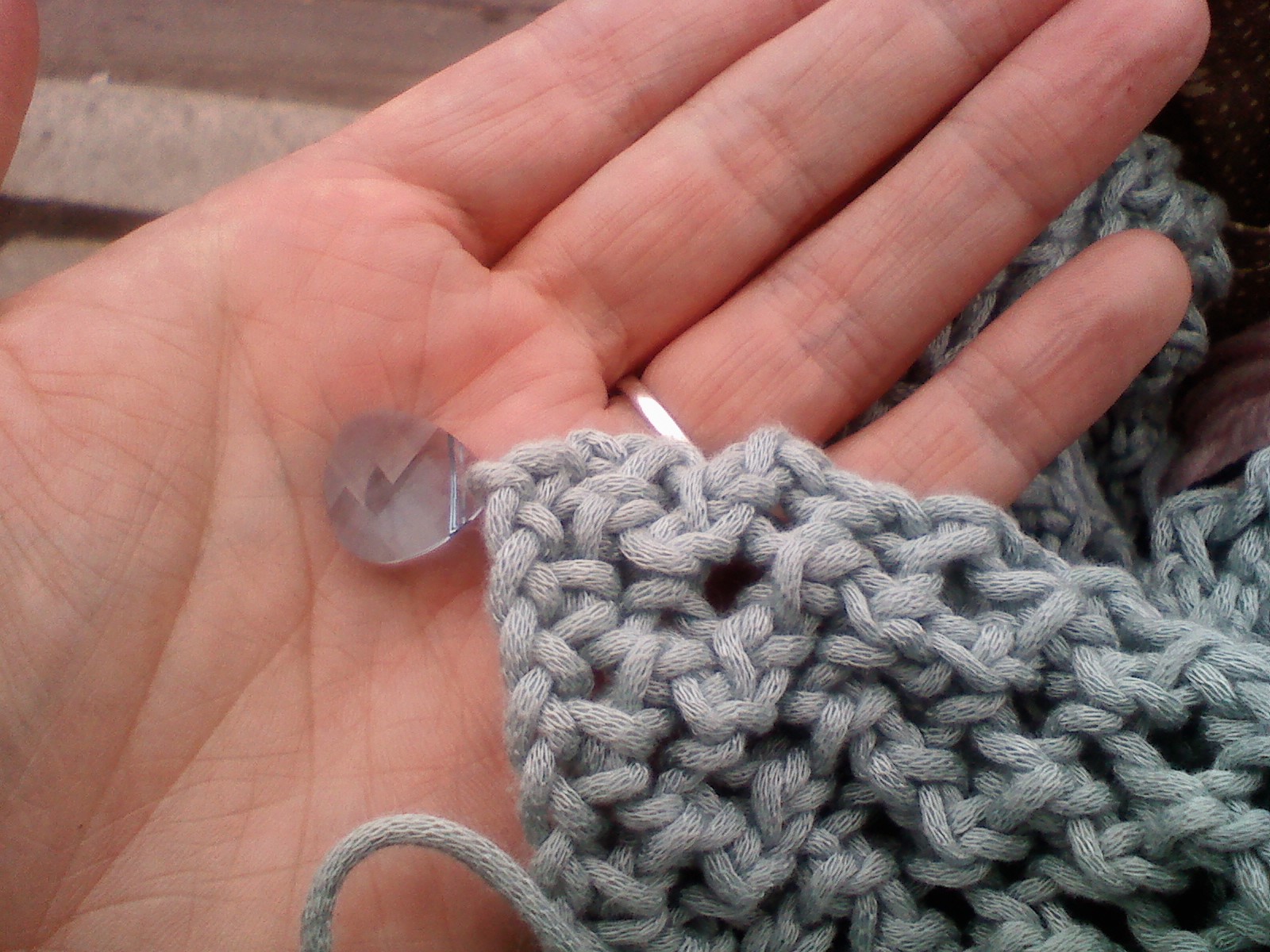
Jewelry.  It works as adornment, identification, religion, art… It fulfills many different purposes, depending on its creator’s intent.  Me, I like playing with sparkly stuff.  This lovely bead is from a local bead shop and it took me hours to find just the right one.  I wanted something to match the scarf I’d made, which is a lace pattern.  I’m using the beads on the ends, like tassels.

That’s what intrigues me: making ordinary objects, like scarves and bags, beautiful.  I love the idea of knitted bracelets with beads incorporated into the design.  I’ve even got an idea for a lace shawl in forest-green mohair with multi-colored iridescent beads.

What about you, Dear Reader?
What are your favorite kinds of jewelry?
 

J Is For… Jobs

A Catherine Noon

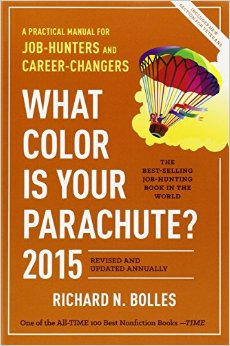
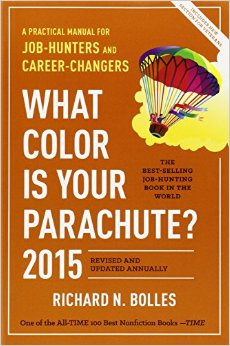
2015-04-11 Pic 1With the way the economy is, jobs are challenging to find. The landscape of the job search has materially changed in the last five years, with new tools like LinkedIn and old tools like networking even more valuable.

One tool that has kept pace with the times is What Color Is Your Parachute by Richard Nelson Bolles.  This was recommended to me when I graduated college.  Mr. Bolles updates the book every year, completely rewriting it and making sure that the new tools are clearly explained.  His explanation of how to create a useful network for yourself is highly useful.

What about you, Dear Reader?
What’s your favorite job search resource?

I Is For… Inkle Weaving

A Catherine Noon

IEver wonder where things like reins for bridles, belts, pet collars, and trim come from?  If they’re not leather, they’re most likely woven (though there are many other ways, for example, spool knitting, but I digress).  The type of loom used can vary, but here’s what I find interesting.

My weaving instructor, Natalie Boyett of the Chicago Weaving School, (and if you’re here in the city, or visiting, and have ever thought about maybe learning to weave, go there.  She’s hands-down one of the best instructors I’ve ever had), showed me that weaving is one of the oldest textile arts.  Here’s a brain-bender –  all looms are fundamentally the same:  they are designed to put tension on the warp (the length-wise threads) so that the craftsperson can put the weft (the cross-wise threads) in between them.  In this way, fabric is created.

So what’s an inkle loom?  It’s a small, usually portable, loom that allows you to wind on a continuous warp, which means it can be really, really long.  The weaving surface isn’t very wide, usually only a few inches, because the idea is to weave narrow fabric.  There’s an example of one here.

What about you, Dear Reader?
What would you want to make if you could wave a magic wand and know how to use an inkle loom?


I Is For… Inquiry

A Catherine Noon

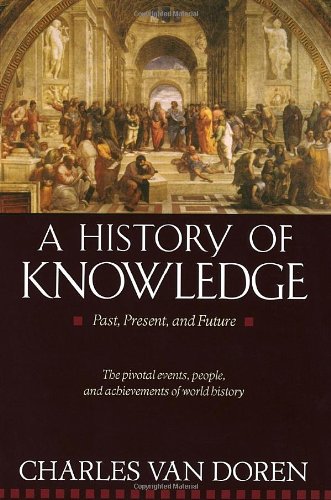
2015-04-10 Pic 1Curiosity.  What’s that they say about it?  It killed the cat?  Not a very auspicious axiom for those of us who are afflicted by it.  The thirst for knowledge can be an anodyne to modern life, the bustle and invasion of distractions in the form of social media and entertainment.  But all that chaotic, frantic chatter is simply the next chapter of the Great Conversation that humanity has been having with itself since Lascaux.

Charles Van Doren’s book, A History of Knowledge:  Past, Present, and Future – the Pivotal Events, People, and Achievements of World History is a good overview of how we got where we are today.  They say that those who ignore history are doomed to repeat it, and being aware of roots can help us in all sorts of ways.  Understanding the impact of the printing press on society and how it forced open the gates of knowledge, for example, can help us see the possible implications of the internet on the world today.

What about you, Dear Reader?
What subjects intrigue you?

H Is For… Hardanger!

A Catherine Noon
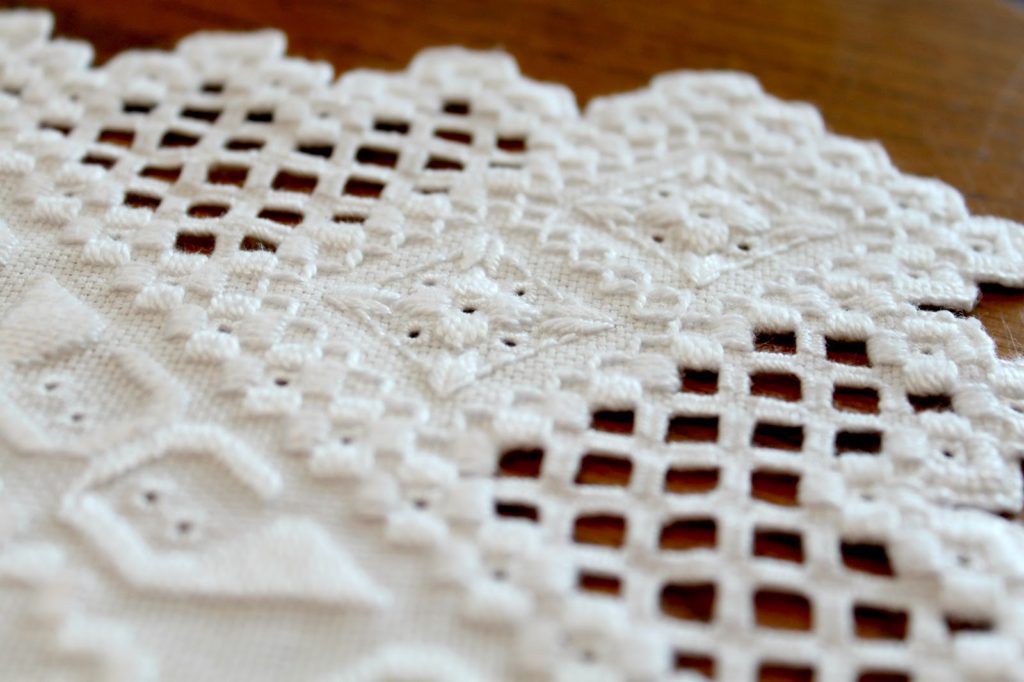
2015-04-09 Pic 1

Creative Commons Photo Used from The Butterfly Jungle Blog; click on photo to visit

I haven’t tried Hardanger embroidery myself, but it’s lovely stuff.  A textile art from Norway, it’s traditionally done on white fabric with pulled threads (that’s what makes the little holes) and raised, textural stitches.  Expert artists can work on fabric with tiny threads and high thread counts (meaning, very dense, tiny work).

In researching for this post, I found two resources.  One is from my favorite store that I’ve not yet visited, but hope to this summer:  The Nordic Needle, in Fargo, North Dakota.  I subscribe to their free email newsletter and if you like textile arts, I suggest you check them out.  They have articles on all sorts of artists, their textile arts, and work to keep some of the less well-known arts from dying out.  Here’s a link to their page on Hardanger resources.  The second is a new-to-me website that seems to be full of lots of good stuff – including a free class on beginner Hardanger.  The blog is called Needlework Tips & Techniques.  Check it out!

A new trend is to include color as part of the designs.  There’s a neat assortment of photos that came up when I searched Google for images, here.

What about you, Dear Reader?
Do you prefer traditional white, or modern color?

H Is For… Home Design!

A Catherine Noon

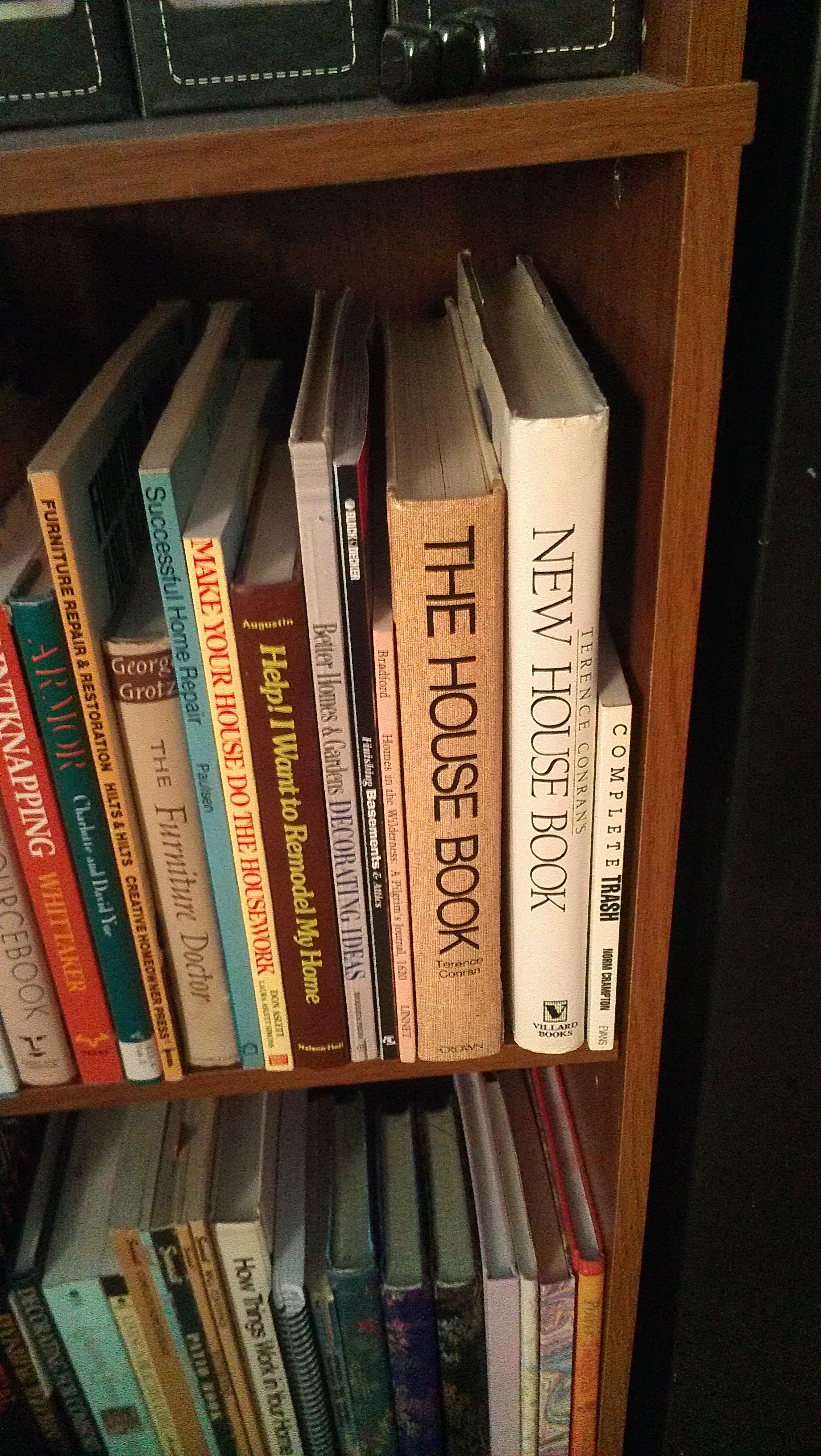
20150405_0086

Used book sales are a lot of fun, because you can find all sorts of things that are now out of print.  I have several collections of different subjects, and one of them is what I’ve decided to call, Home Design.  A while back I did a series about redesigning my home library, and how the shape of the subjects my husband and I collected told me something about us in the same way an autobiographical sketch might.

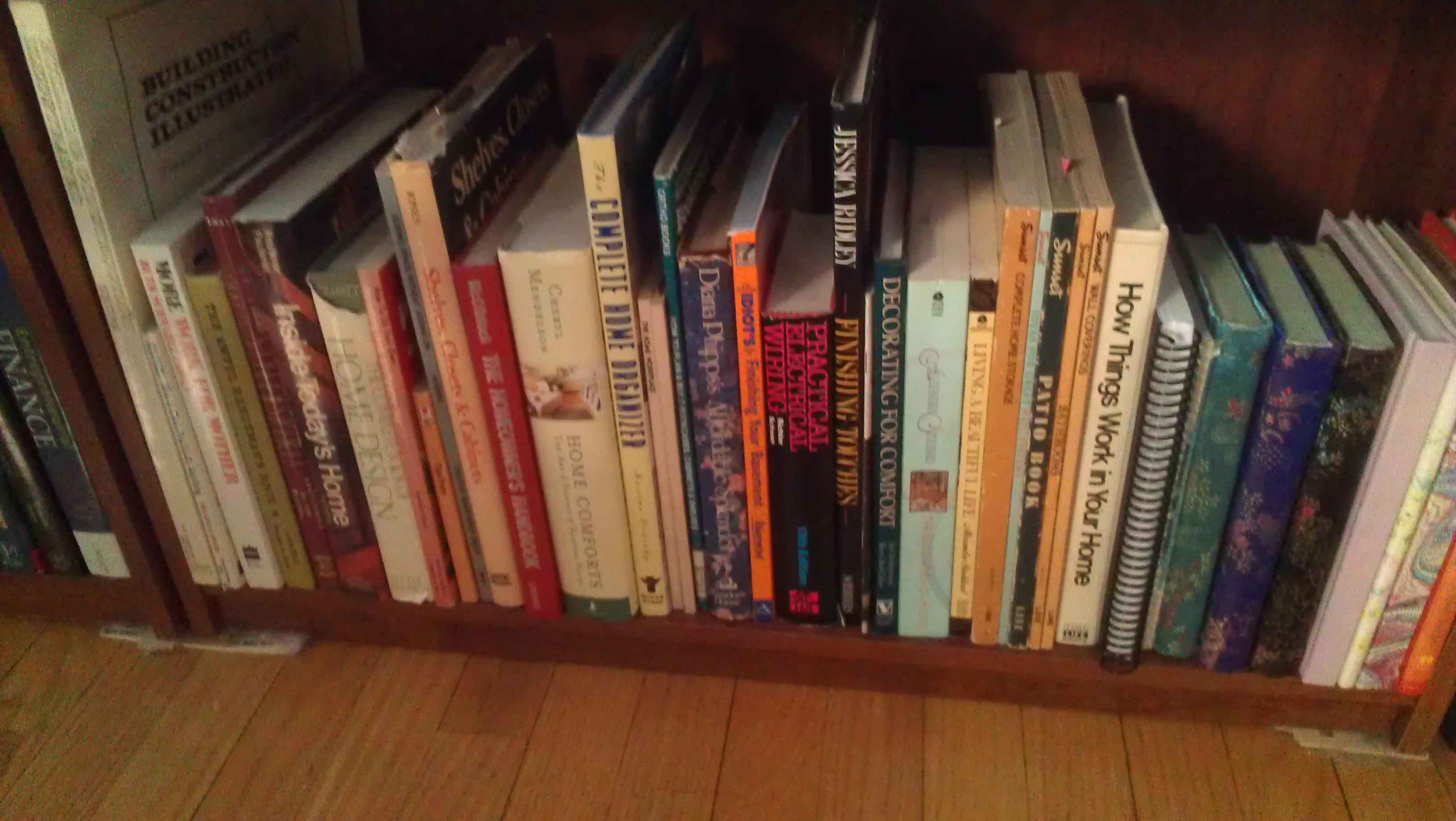
20150405_0087


I have a mix between practical how-to books and design books.  I differentiate those by whether they tell me how to achieve a particular aesthetic (design) or how to make or fix something (how-to).  I also found that I have a fascination with how to manage a home; things as varied as a housekeeping manual (I have several) to how things in the home work (which is the actual title of one of the books).

In my fiction, I have found recurring themes of Home and Belonging.  The two are related:  how to create that home where one can feel a sense of belonging, and how to find that home in terms of stories and allegories.  It’s cropped up in fiction, poetry, and apparently, on my shelves.

What about you, Dear Reader?
What are some of the subjects that you have on your shelves, or like to read?

G Is For… Gratitude

A Catherine Noon

2015-04-08 Pic 1One of my favorite books is Simple Abundance by Sarah Ban Breathnach.  One of her fundamental suggestions is to write a daily list of five things for which we’re grateful.  She believes that it is a life-changing exercise and I have to say, I agree with her.

She recommends making a Gratitude Journal, which I have done at times.  Other times, I’m not able to keep up with it in a separate book so I have taken to doing it in my Morning Pages journal or in my planner.  What I have found is that the more I make space for it, whether or not it’s in a separate journal or not, the more I’m aware of the positive in my life.

I have found that listing five things is just enough to keep me grounded, even on those days when it’s difficult to be thankful for anything.  On those days, she recommends noticing the fact that the day is over – which, while it made me laugh, is very appropriate.

What about you, Dear Reader?
For what are you grateful today?

G Is For… Gardening

A Catherine Noon

20140518_0007

Gardening.

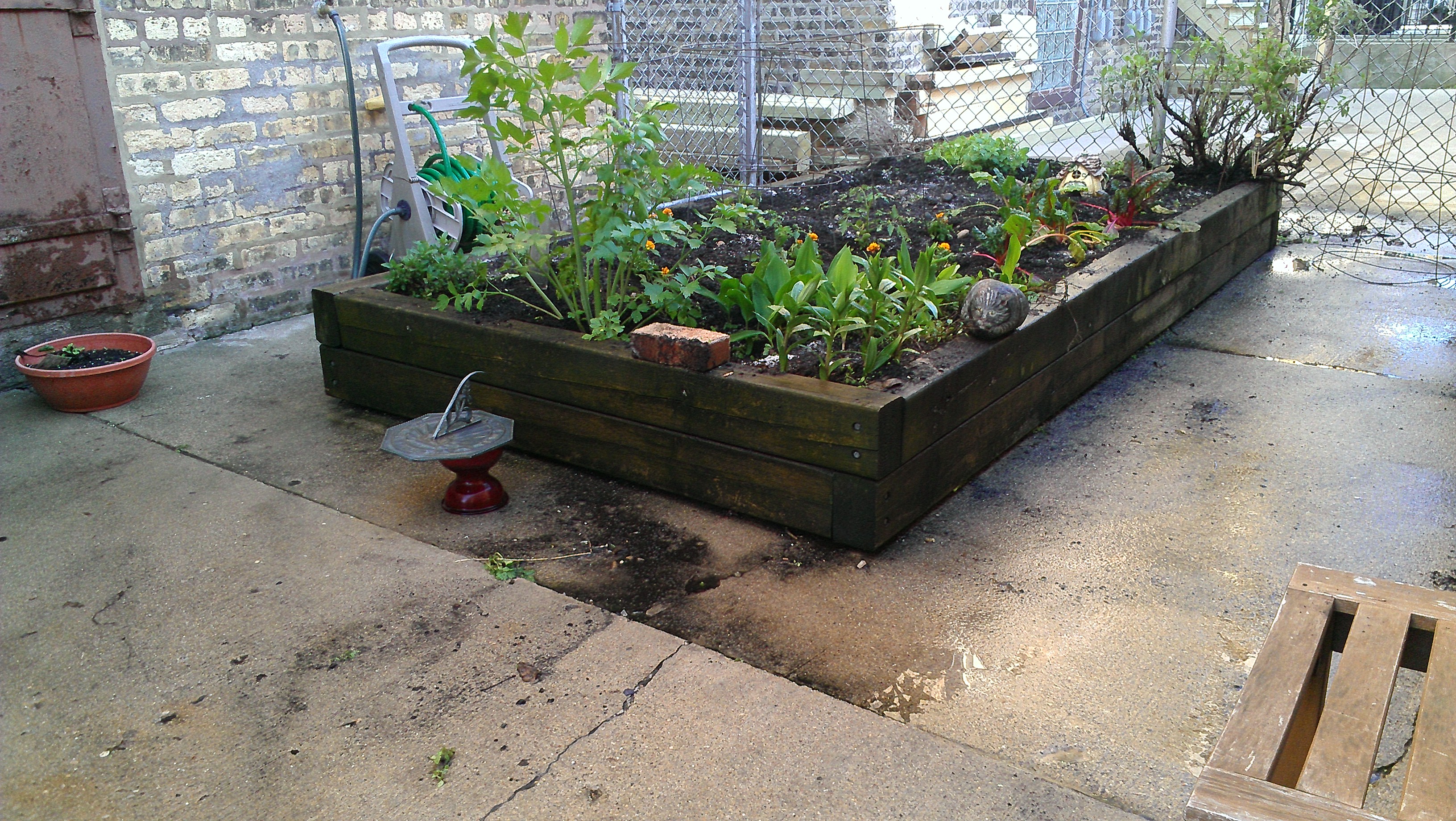
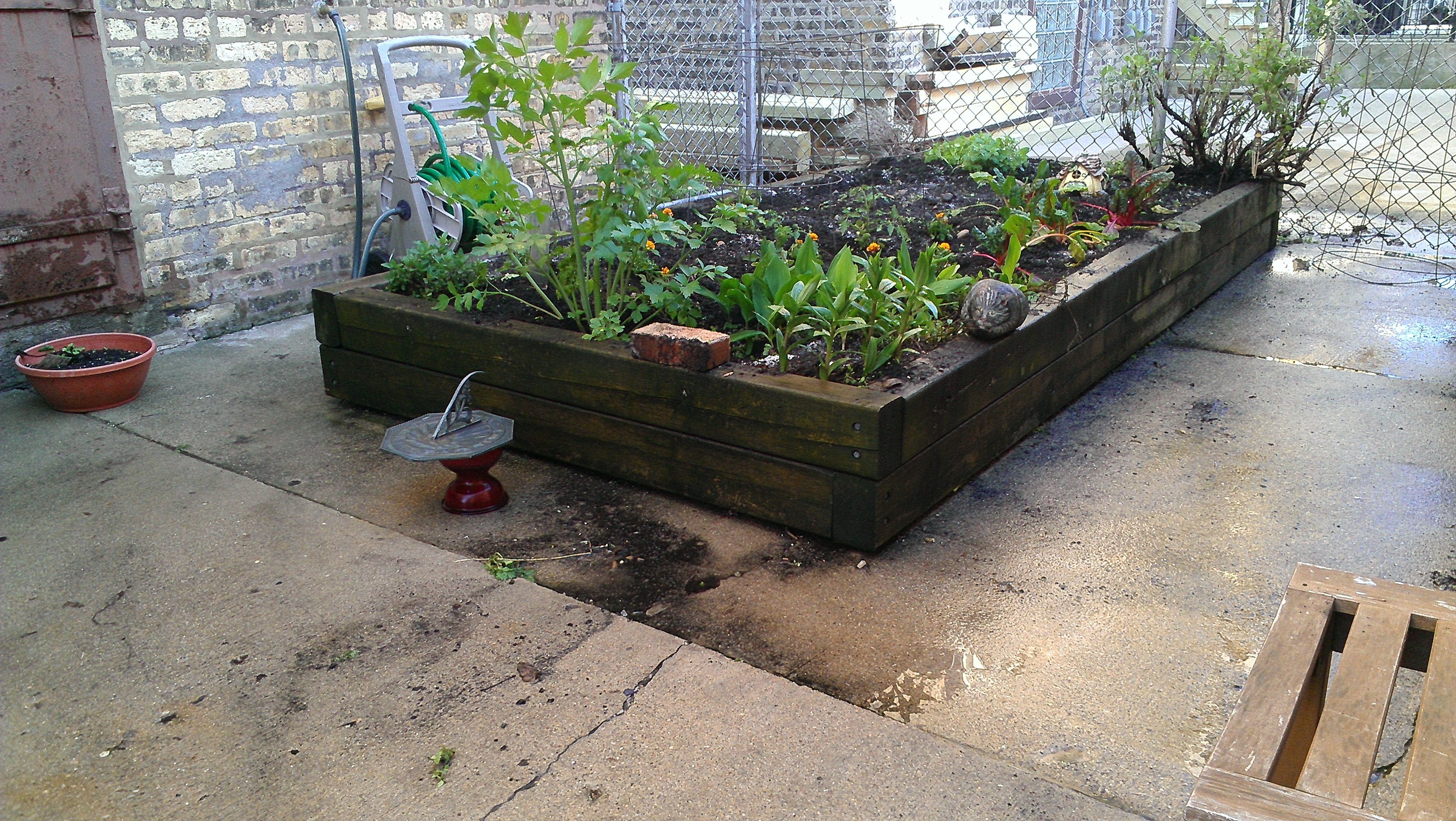
I love to garden.  I adore the smell of loam, the feel of the plants in their new home, and to play with flowers.  I love getting the fruits of my labor: coming outside to pick peppers and tomatoes with chives and basil for dinner.

Gardening is one of those humbling tasks, because it doesn’t take a bunch of smarts.  It doesn’t even really take books (though I think I have every gardening book known to womankind).  It takes consistency.

Uh-oh.

It’s kind of like writing, in that sense.

What about you, Dear Reader?
What color is your thumb?  Green, like the farmers and gardeners of old?  Or you an armchair gardener, content to look at other peoples’ gardens?  Or somewhere in between?

F Is For… Ferry

A Catherine Noon

Ferries are a trip.  Their wide bottoms make them stable in the water, so it’s unlikely they’ll capsize.  I’ve been on two, so far; the one pictured above is the Bainbridge Island ferry off the Sound from Seattle.  The other one was on Lake Erie, across its choppy water.

2015-04 Pic

Very choppy.  ~shudder~  That’s not my picture, obviously, since I was on the ferry; however, it sure felt like that when we rode it.  I’m sure it wasn’t actually that bad, as I don’t actually remember water coming over the bow of the boat.

I like the ideas of ferries in principle; they sound so romantic.  Traveling on a slow-moving, graceful conveyance over miles of water, gazing at the landscape rolling by…

What about you, Dear Reader?  What type of transportation have you been on that was less thrilling than you imagined it?

F Is For… Fancywork

A Catherine Noon

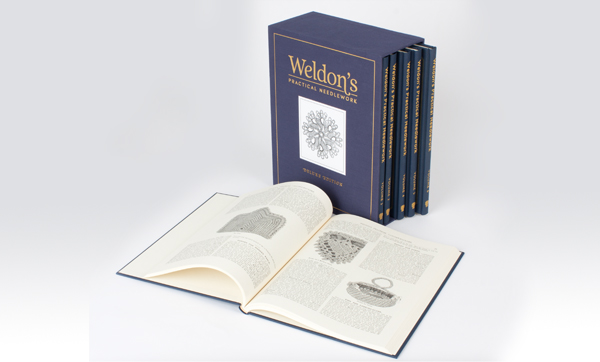
2015-04-07 Weldons_deluxe

Fancywork.  It means fancy needlework or crochet, even tatting, that is decorative.  It was popular during the Victorian era and brought us all sorts of neat things like tatted lace edgings and crochet doilies and such.  For anyone interested in textile arts, fancywork comes up in the lineage of our art even if what we do now is ultra-modern.

Interweave Press, the popular publisher of many different kinds of textile arts books, magazines, DVDs, and sites (Knitting Daily is inspiring even if you’re an occasional knitter), re-released the historic needlework collection, Weldon’s Practical Needlework.  What I found fascinating about the collection is its emphasis on figuring it out oneself.  There’s a lot of knowledge that’s assumed, that for modern craftspersons isn’t necessarily part of the repertoire.

And then came Jane Sowerby, with Victorian Lace Today.  She looks at several historical sources, including Weldon’s, and reinterprets them for modern artists.  While the book focuses on knitting, it gives a fascinating look into historical craft and gives modern interpretations that are sure to have you reaching for your needles.

What about you, Dear Reader?
What historical craft speaks to you, even if its skill isn’t within reach right at the present moment?

Post navigation

← Older posts
Newer posts →
©2026 - A Catherine Noon - Weaver Xtreme Theme
↑