↓
 
  • Noony’s Blog
  • About Noony
  • Extras
    • Essays
    • Flash Fiction
    • Poems

A Catherine Noon

Explore the Worlds of A. Catherine Noon | Bestselling Author

Header image
<< 1 2 … 66 67 68 69 70 … 102 103 >>

Post navigation

← Older posts
Newer posts →

Tue Cent Twosday – The Pen vs. the Keyboard

A Catherine Noon

In my writing group, I often hear complaints when I suggest we try a written exercise as opposed to one with a laptop or other computer device. I have said it before and I’ll likely say it again: writing by hand is important and valuable to anyone working with their own creativity, be they writers or other artists. In fact, I would argue that writing by hand is useful for everyone, and not just creatives. That does not mean that writing with a keyboard isn’t valuable in its own way too, but that one shouldn’t avoid handwriting altogether.

Here are the five most common complaints and suggestions on how to address them:

“I never write by hand.”

I’m surprised by how many people say this to me. What’s even more surprising is how many of them aren’t Gen Y folks. The stereotype is that Gen Y folks only type, and that Gen X and Boomers are more “old school.” I haven’t seen this stereotype borne out.

My response to it is simple: give it a try. Even if you only use it for writing exercises, think of them like you do the gym or music drills. The more you do it, the easier it gets.

“I write too slow, and forget all the things I want to say.”

This isn’t necessarily a bad thing. Our minds become fragmented by technology. I watch people try to have a conversation during writing group, or even just write. Smart phones buzz and people immediately look at them, even mid-sentence, to see what they say. Like coffee-fueled five-year-olds, we have lost the ability to carry one thought in our minds for longer than a few moments before we are distracted, like the dog in the movie “Up.” This isn’t healthy, nor is it good for our intelligence.

Writing by hand slows us down so that we can catch up with ourselves. Typing on a computer means that we are staring at a clock, are prone to distraction from Facebook, email, and other programs, and that we can go at the speed of hyper instead of the speed of the hand. There is a reality within us that we can only hear when we slow down enough to listen.

“My hand cramps.”

This is a reasonable complaint. Like any other physical activity, stretch often and build up your strength. Maybe only write for fifteen minutes the first time, then work your way up to a longer session.

“I can’t read my own writing, so why bother?”

It’s like when we were taught to write way back when we were kids. Just practice. You’ll get better with time and attention.

“It’s more efficient to type.”

The objective isn’t to be efficient, it’s to see what we have to say. Efficiency is not the most important goal for a writer; clarity is.

Give it a try. You might be surprised what you learn.

Next time:  “In Defense of the Pen”

Tue Cent Twosday – The Pen vs. the Keyboard

A Catherine Noon

In my writing group, I often hear complaints when I suggest we try a written exercise as opposed to one with a laptop or other computer device. I have said it before and I’ll likely say it again: writing by hand is important and valuable to anyone working with their own creativity, be they writers or other artists. In fact, I would argue that writing by hand is useful for everyone, and not just creatives. That does not mean that writing with a keyboard isn’t valuable in its own way too, but that one shouldn’t avoid handwriting altogether.

Here are the five most common complaints and suggestions on how to address them:

“I never write by hand.”

I’m surprised by how many people say this to me. What’s even more surprising is how many of them aren’t Gen Y folks. The stereotype is that Gen Y folks only type, and that Gen X and Boomers are more “old school.” I haven’t seen this stereotype borne out.

My response to it is simple: give it a try. Even if you only use it for writing exercises, think of them like you do the gym or music drills. The more you do it, the easier it gets.

“I write too slow, and forget all the things I want to say.”

This isn’t necessarily a bad thing. Our minds become fragmented by technology. I watch people try to have a conversation during writing group, or even just write. Smart phones buzz and people immediately look at them, even mid-sentence, to see what they say. Like coffee-fueled five-year-olds, we have lost the ability to carry one thought in our minds for longer than a few moments before we are distracted, like the dog in the movie “Up.” This isn’t healthy, nor is it good for our intelligence.

Writing by hand slows us down so that we can catch up with ourselves. Typing on a computer means that we are staring at a clock, are prone to distraction from Facebook, email, and other programs, and that we can go at the speed of hyper instead of the speed of the hand. There is a reality within us that we can only hear when we slow down enough to listen.

“My hand cramps.”

This is a reasonable complaint. Like any other physical activity, stretch often and build up your strength. Maybe only write for fifteen minutes the first time, then work your way up to a longer session.

“I can’t read my own writing, so why bother?”

It’s like when we were taught to write way back when we were kids. Just practice. You’ll get better with time and attention.

“It’s more efficient to type.”

The objective isn’t to be efficient, it’s to see what we have to say. Efficiency is not the most important goal for a writer; clarity is.

Give it a try. You might be surprised what you learn.

Next time:  “In Defense of the Pen”

Monday Blues

A Catherine Noon

It’s the first Monday in August.  Five months left in the year.  Here are some questions to get you thinking:

1.  What did you miss doing this summer?  List all the things you can think of.

2.  What do you want to make sure you fit in this holiday season?  Again, list all the things you can think of.

3.  What do you want to be able to say, in January, that you did during 2012?

Write a paragraph or more for each of these.  Then move on to the next step.

1.  Take your list and pick one summer thing, and schedule it for this week.  Then tuck the rest of your list and tuck it in the back of your calendar to put in next year’s day planner.  Or, if you use an electronic calendar, then put the list on May 1, 2013, and call it “For Planning This Summer.”

2.  Take your list and pick 5 things you can afford.  Now, schedule each of these things somewhere between November 1 and December 31.  Put the rest of the list at the end of your calendar or make a calendar entry for August 1, 2013.

3.  Take your list of things you want to do this year and write three pages in your journal.  Ask yourself which of the things you’ve listed you most want to accomplish and what is standing in your way of doing so.

4.  Now, schedule time in the next week to get started.  Even 30 minutes spent pursuing your goal means you’ll be that much closer to accomplishing it.

5.  Schedule another 30 minutes for next week.

6.  Now, go do it.

And above all, Happy Monday!

Monday Blues

A Catherine Noon

It’s the first Monday in August.  Five months left in the year.  Here are some questions to get you thinking:

1.  What did you miss doing this summer?  List all the things you can think of.

2.  What do you want to make sure you fit in this holiday season?  Again, list all the things you can think of.

3.  What do you want to be able to say, in January, that you did during 2012?

Write a paragraph or more for each of these.  Then move on to the next step.

1.  Take your list and pick one summer thing, and schedule it for this week.  Then tuck the rest of your list and tuck it in the back of your calendar to put in next year’s day planner.  Or, if you use an electronic calendar, then put the list on May 1, 2013, and call it “For Planning This Summer.”

2.  Take your list and pick 5 things you can afford.  Now, schedule each of these things somewhere between November 1 and December 31.  Put the rest of the list at the end of your calendar or make a calendar entry for August 1, 2013.

3.  Take your list of things you want to do this year and write three pages in your journal.  Ask yourself which of the things you’ve listed you most want to accomplish and what is standing in your way of doing so.

4.  Now, schedule time in the next week to get started.  Even 30 minutes spent pursuing your goal means you’ll be that much closer to accomplishing it.

5.  Schedule another 30 minutes for next week.

6.  Now, go do it.

And above all, Happy Monday!

Sunday Box Talk – The Journal As Tool

A Catherine Noon

One of the best ways to get better at understanding our own boxes and their effect on us is through journaling.  I don’t mean the stereotypical daily page-by-page, blow-by-blow accounts, but more like letters to ourselves.  In fact, writing a dialog with ourselves is tremendously useful.

How does it work?

As we write, sometimes we have other responses in our heads to thoughts we write down.  For example, we might write, “I want to go to France.”  A response might be, “Yeah, right, like I have money for that.”  Another response might be, “Well, I could set up a savings account for it.”  And then, “Well, I’d better set up an appointment at the bank to talk about options for savings.”  If we label that first thought A, and then label each response, we can begin to follow a conversation:

A:  I want to go to France.

B:  Yeah, right, like I have money for that.”

A:  Well, I could set up a savings account for it.”

C:  I’d better set up an appointment at the bank.

“C” is the advisor that helps us get in touch with our deeper wisdom.  It might be D or E.  But if we dig deeply enough, we can find the inner strength to navigate many tough problems.

What do you think about journaling?  Do you use one?

Sunday Box Talk – The Journal As Tool

A Catherine Noon

One of the best ways to get better at understanding our own boxes and their effect on us is through journaling.  I don’t mean the stereotypical daily page-by-page, blow-by-blow accounts, but more like letters to ourselves.  In fact, writing a dialog with ourselves is tremendously useful.

How does it work?

As we write, sometimes we have other responses in our heads to thoughts we write down.  For example, we might write, “I want to go to France.”  A response might be, “Yeah, right, like I have money for that.”  Another response might be, “Well, I could set up a savings account for it.”  And then, “Well, I’d better set up an appointment at the bank to talk about options for savings.”  If we label that first thought A, and then label each response, we can begin to follow a conversation:

A:  I want to go to France.

B:  Yeah, right, like I have money for that.”

A:  Well, I could set up a savings account for it.”

C:  I’d better set up an appointment at the bank.

“C” is the advisor that helps us get in touch with our deeper wisdom.  It might be D or E.  But if we dig deeply enough, we can find the inner strength to navigate many tough problems.

What do you think about journaling?  Do you use one?

Saturday Showcase – Sitting with Selena Robins

A Catherine Noon

Selena Robins is a kindred spirit. We met through shared writing acquaintances and have become fast friends through Facebook and similar passions – writing, food, craft, and family. I’m excited to bring you an interview with Selena in which she discusses her pursuit of culinary perfection. Please held me welcome Selena to Knoontime Knitting!

KK: Tell me a little more about your passion for your craft. What do you like to make?

SR: My craft is the oldest profession in the world—cooking. I’m a big time foodie, so I watch a lot of cooking shows. I love Iron Chef. I then try (the operative word here is try) to replicate what the Iron Chefs made. However, I won’t attempt anything that involves organ meats or gooey duck. My favorite things to cook is anything Italian.

Italian food is food inspired from the soul, simple to make, delicious, nutritious and shared with family and friends with pride. Italian recipes are handed down from generations of great cooks from the mother country.

Disclaimer: When I say recipes handed down, I’m not talking about the traditional cook book, detailing ingredients and exact measurements.

KK: When did you learn to cook?

SR: I learned how to cook at a young age from my mom, who was the best cook in the world. I know we all say that about our moms, but in my case it’s true. She could produce a seven course meal without ever turning a page in a recipe book or having state-of-the-art kitchen appliances or gadgets.

It was a rite of passage in our family (daughters and sons) to learn how to make homemade pasta and tomato sauce. Emphasis on homemade. Heaven forbid an Italian is caught with store-bought sauce or worse have a can of Spaghettio’s in the cupboard. Open one of those babies and your FBI status (Full Bloodied Italian) would be taken away.

My mom taught me to cook using my senses; sight, touch, taste, smell, listen. The latter was ultra important in our household. Always, listen to mamma.

KK: Have you ever given your love of cooking to a character?

SR: With my published novels, both my heroines do not like to cook, not only do they not like it, they can’t be bothered learning. However, I did give the skill to the hero’s. So sexy to see a man in the kitchen. With my two works in progress, the heroines do love cooking as much as I do.

KK: What effect does your writing have on your cooking and vice-versa? Does one fall off when the other is stronger, or do they synergize?

SR: The same techniques I use in cooking I also apply when writing, adding a lot of love into my writing craft. Using all the senses: touch, taste, sight and smell, creating characters, dialogue and plots that will give the reader not only a visual experience of what’s happening, but hopefully they can taste what the characters are tasting, smell the scents of the scenery, close their eyes and hear the voices (not the ones in our heads, that’s another story), but the tone of the characters, and most importantly feel the passion I (and other writer’s) have put into creating a wonderful story to draw the reader into a comical, suspenseful, mysterious and romantic world.

KK: What do you dream of making when you have the time or skills?

SR: The perfect pie crust recipe. I cannot master a pie crust. I can make homemade bread, cakes, pastas, pizza, but that perfect pie crust still haunts me.

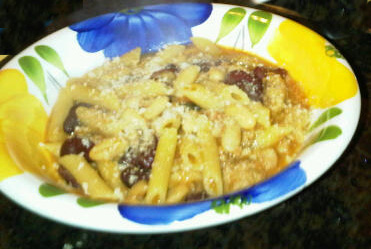
KK: Those of you who have been following the Saturday Showcase know that I include pictures of the authors’ art. Selena has taken that one step further and included a recipe that we can try ourselves! If you try it, we’d love to hear how you liked it in the Comments.

Pasta e Fagioli

This recipe can be made and eaten the same day, but it tastes even better if you make it a day ahead of time and serve it the next day, as all the ingredients and goodness marinate together.

Ingredients:

  • olive oil
  • 5 chopped tomatoes (or a can of plum tomatoes)
  • 1 cup onion (finely chopped)
  • 2 cloves garlic (minced)
  • 6 cups beef broth (or vegetable stock)
  • 1 can red kidney beans (drained and well rinsed)
  • 1 can white kidney beans (drained and well rinsed)
  • 1 can chick peas (drained and well rinsed)
  • ½ cup fresh basil (chopped)
  • **3 cups meatballs (use your favorite meatball recipe and make them tiny bite sized)
  • Pinch red pepper flakes, optional
  • Freshly grated Parmesan Cheese
  • Pasta (your choice: penne, elbow, tubetti)

**Note: If you don’t want to make meatballs, you can use ground beef, or skip the meat all together.

Directions:

  • Coat soup pot with olive oil and heat oil on medium. Once oil is heated, add onion and cook until onion is transparent, then add garlic and keep stirring until garlic is infused with the onion.
  • Add tomatoes and cook for about 5 minutes, stirring.
  • Add broth and let cook (uncovered) for 45 minutes.
  • Add red beans, white beans, chick peas, meatballs or sautéed ground beef if you are using meat, and let cook for 15 minutes
  • In a separate pot, boil water and make pasta according to package directions
  • While the pasta is cooking, add the chopped basil, red pepper flakes and salt and pepper to taste and let the soup keep cooking.
  • Once pasta is cooked, drain it and add it to the soup pot.
  • Ladle the soup into bowls. Sprinkle with freshly grated Parmesan cheese and drizzle with extra-virgin olive oil just before serving.

Note: If making soup the day ahead, then don’t add any pasta, make the pasta the day you will be serving the soup.

Buon appetito!

Biography

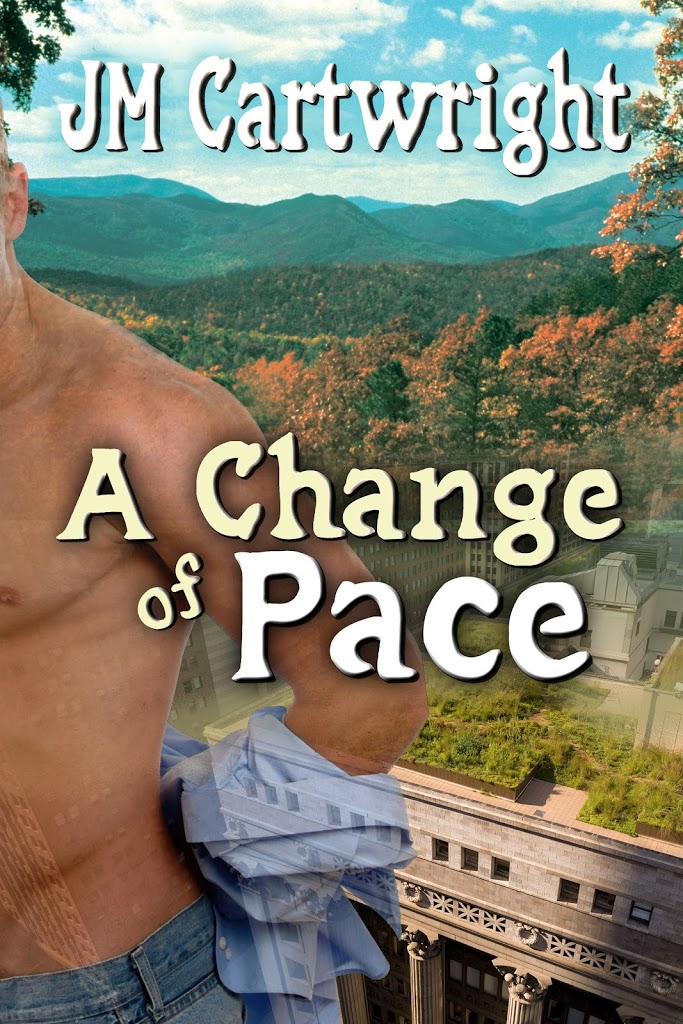
Genre-defying, witty, humorous, suspenseful, romantic and sexy — words used to describe Selena’s novels. A self-professed foodie and chocolate guru, Selena loves to dance with her dog, sing into her hairbrush and write in her PJ’s. In love with her family, friends, books, laughter, hockey, lively discussions and red wine, (sometimes all at the same time). Selena is a dragon slayer who enjoys reading and writing sassy heroines and hot heroes (the ones your mamma warned you about, but secretly wished she’d dated a few in her life).
Website | Blog | Amazon

The Noonhour – A Children’s Folktale

A Catherine Noon

Welcome to The Noonhour, a Podcast featuring essays, children’s stories, and other items I find interesting.  It’s an experiment that I’m enjoying, so sit back, relax, and listen to
The Noonhour


Saturday Showcase – Sitting with Selena Robins

A Catherine Noon

Selena Robins is a kindred spirit. We met through shared writing acquaintances and have become fast friends through Facebook and similar passions – writing, food, craft, and family. I’m excited to bring you an interview with Selena in which she discusses her pursuit of culinary perfection. Please held me welcome Selena to Knoontime Knitting!

KK: Tell me a little more about your passion for your craft. What do you like to make?

SR: My craft is the oldest profession in the world—cooking. I’m a big time foodie, so I watch a lot of cooking shows. I love Iron Chef. I then try (the operative word here is try) to replicate what the Iron Chefs made. However, I won’t attempt anything that involves organ meats or gooey duck. My favorite things to cook is anything Italian.

Italian food is food inspired from the soul, simple to make, delicious, nutritious and shared with family and friends with pride. Italian recipes are handed down from generations of great cooks from the mother country.

Disclaimer: When I say recipes handed down, I’m not talking about the traditional cook book, detailing ingredients and exact measurements.

KK: When did you learn to cook?

SR: I learned how to cook at a young age from my mom, who was the best cook in the world. I know we all say that about our moms, but in my case it’s true. She could produce a seven course meal without ever turning a page in a recipe book or having state-of-the-art kitchen appliances or gadgets.

It was a rite of passage in our family (daughters and sons) to learn how to make homemade pasta and tomato sauce. Emphasis on homemade. Heaven forbid an Italian is caught with store-bought sauce or worse have a can of Spaghettio’s in the cupboard. Open one of those babies and your FBI status (Full Bloodied Italian) would be taken away.

My mom taught me to cook using my senses; sight, touch, taste, smell, listen. The latter was ultra important in our household. Always, listen to mamma.

KK: Have you ever given your love of cooking to a character?

SR: With my published novels, both my heroines do not like to cook, not only do they not like it, they can’t be bothered learning. However, I did give the skill to the hero’s. So sexy to see a man in the kitchen. With my two works in progress, the heroines do love cooking as much as I do.

KK: What effect does your writing have on your cooking and vice-versa? Does one fall off when the other is stronger, or do they synergize?

SR: The same techniques I use in cooking I also apply when writing, adding a lot of love into my writing craft. Using all the senses: touch, taste, sight and smell, creating characters, dialogue and plots that will give the reader not only a visual experience of what’s happening, but hopefully they can taste what the characters are tasting, smell the scents of the scenery, close their eyes and hear the voices (not the ones in our heads, that’s another story), but the tone of the characters, and most importantly feel the passion I (and other writer’s) have put into creating a wonderful story to draw the reader into a comical, suspenseful, mysterious and romantic world.

KK: What do you dream of making when you have the time or skills?

SR: The perfect pie crust recipe. I cannot master a pie crust. I can make homemade bread, cakes, pastas, pizza, but that perfect pie crust still haunts me.

KK: Those of you who have been following the Saturday Showcase know that I include pictures of the authors’ art. Selena has taken that one step further and included a recipe that we can try ourselves! If you try it, we’d love to hear how you liked it in the Comments.

Pasta e Fagioli

This recipe can be made and eaten the same day, but it tastes even better if you make it a day ahead of time and serve it the next day, as all the ingredients and goodness marinate together.

Ingredients:

  • olive oil
  • 5 chopped tomatoes (or a can of plum tomatoes)
  • 1 cup onion (finely chopped)
  • 2 cloves garlic (minced)
  • 6 cups beef broth (or vegetable stock)
  • 1 can red kidney beans (drained and well rinsed)
  • 1 can white kidney beans (drained and well rinsed)
  • 1 can chick peas (drained and well rinsed)
  • ½ cup fresh basil (chopped)
  • **3 cups meatballs (use your favorite meatball recipe and make them tiny bite sized)
  • Pinch red pepper flakes, optional
  • Freshly grated Parmesan Cheese
  • Pasta (your choice: penne, elbow, tubetti)

**Note: If you don’t want to make meatballs, you can use ground beef, or skip the meat all together.

Directions:

  • Coat soup pot with olive oil and heat oil on medium. Once oil is heated, add onion and cook until onion is transparent, then add garlic and keep stirring until garlic is infused with the onion.
  • Add tomatoes and cook for about 5 minutes, stirring.
  • Add broth and let cook (uncovered) for 45 minutes.
  • Add red beans, white beans, chick peas, meatballs or sautéed ground beef if you are using meat, and let cook for 15 minutes
  • In a separate pot, boil water and make pasta according to package directions
  • While the pasta is cooking, add the chopped basil, red pepper flakes and salt and pepper to taste and let the soup keep cooking.
  • Once pasta is cooked, drain it and add it to the soup pot.
  • Ladle the soup into bowls. Sprinkle with freshly grated Parmesan cheese and drizzle with extra-virgin olive oil just before serving.

Note: If making soup the day ahead, then don’t add any pasta, make the pasta the day you will be serving the soup.

Buon appetito!

Biography

Genre-defying, witty, humorous, suspenseful, romantic and sexy — words used to describe Selena’s novels. A self-professed foodie and chocolate guru, Selena loves to dance with her dog, sing into her hairbrush and write in her PJ’s. In love with her family, friends, books, laughter, hockey, lively discussions and red wine, (sometimes all at the same time). Selena is a dragon slayer who enjoys reading and writing sassy heroines and hot heroes (the ones your mamma warned you about, but secretly wished she’d dated a few in her life).

Website | Blog | Amazon

The Noonhour – A Children’s Folktale

A Catherine Noon

Welcome to The Noonhour, a Podcast featuring essays, children’s stories, and other items I find interesting.  It’s an experiment that I’m enjoying, so sit back, relax, and listen to
The Noonhour


Post navigation

← Older posts
Newer posts →
©2026 - A Catherine Noon - Weaver Xtreme Theme
↑