Welcome to The Noonhour, a Podcast featuring essays, children’s stories, and other items I find interesting. It’s an experiment that I’m enjoying, so sit back, relax, and listen to
The Noonhour
At our prompt group the other night, one of our prompts involved writing a snippet with sentences of only seven words. It came from Ursula LeGuin’s amazing book, Steering the Craft. I highly recommend it.
The fish swam around in their tank. red, green, orange, blue, even pink flickered. How many times Jack watched them? How many fish had he raised?
Over the years, he counted hundreds. He named them all, but forgot them. His ledger kept track for him. Silent, leather-bound, it held names in trust. It did not judge. It did not accuse him of forgetting.
Its job was to remember. Like a happy puppy, it did so. No questions or argument, it recalled. Recollections intrigued Jack. Since the accident, he had few.
Little more than flickers, his memories died. Like his brain, broken now. The accident, they said with somber voices. He didn’t need their pity. He didn’t remember the accident anyway.
Ebinezer! The pretty purple one was Ebinezer.
You want to try? Set your timer for 15 minutes and write a paragraph, but using sentence of no more than seven words – it can be fewer, but no more. Feel free to share with me in the comments!
I have been gratified by the strong focus on the survivors of the tragedy in Colorado, first on Anderson Cooper’s show on CNN day-off and today on Facebook with a photo circulating of actor Christian Bale with one of the men involved in the shooting.
My only frustration with this coverage is the word, “victim.” These folks aren’t “victims,” they are survivors. A victim is someone at someone else’s mercy, the recipient of the action, the powerless. A survivor is someone who lives, triumphs, and is empowered.
We are survivors of awful things, not the victims. What doesn’t kill us makes us stronger and we, together, can remember that we survive many horrible things. We don’t have to own the word “victim,” and we don’t have to surrender our power to some sad, sick, nameless, mentally-ill individual with a gun. Survive. Triumph.

Why “guerrilla” marketing? It lies in the definition of the concept of guerrilla warfare. First coined to describe the rebels in South America fighting better funded government adversaries, it means a small force, well-coordinated, using every tool at its disposal for maximum effectiveness at minimum cost – of life, time, resources, and money.
Guerrilla Marketing is a term coined by author Jay Conrad Levinson in the 80’s and is a way of thinking about marketing for small businesses, as they compete against bigger, better funded corporate adversaries in the market. His books are wildly popular and I highly recommend them. The one I have in my own library and love is Guerrilla Marketing Excellence: The Fifty Golden Rules for Small-Business Success, by Jay Conrad Levinson, Houghton Mifflin Company, Boston and New York, 1993. It’s probably been updated since then, but the concepts are the same.
In short, it’s figuring out how to market what you’re trying to market in the most effective and targeted way possible, without spending a lot of money and time that you don’t have. How does that affect us?
What are our priorities as writers?
Writing books. Duh. You can’t market what ain’t writ.
What’s the next priority?
Work/Life balance. Why do this if we become frazzled, unpleasant to be around, and bitchy? That’s not the way to happiness – nor is it the way to continued writing, unless perhaps you’re Hemingway. And we all knew how HE turned out.
So. Here, in 5 steps, is Aunt Noony’s Guide to Guerrilla Marketing for Us Writers:
1. Figure out what time you do have. When are your working hours? An hour before you go to the office for your day job? While the kids are napping or after they’re in bed? Figure out what time you have available to you.
TIP: I recommend literally writing a list, like this:
Sunday:
Monday:
Tuesday:
Wednesday:
Thursday:
Friday:
Saturday:
Then fill in what you have as standing commitments and what time you have available for writing.
2. Realize there are two parts of being an author: part 1 is being a writer, and all the creative stuff associated with it; part 2 is being an author, which is a business and all the left-brained stuff that implies. How much of the time available to you, do you want to spend on each? 50/50? 60/40? 100/0? Then parcel out the time you’ve found in Step 1 accordingly. If you have an hour a day, that’s 7 hours a week. 50/50 is 3.5 hours on writing, or 30 minutes a day, and 3.5 hours on marketing/business/accounting stuff, or 30 minutes a day.
3. Figure out what marketing stuff you want/like to do. If you aren’t currently doing any, then pick ONE. Yes, I said ONE. Not ten. Not fifty-gabillion. Not message boards, and Facebook, and Twitter, and Pinterest, and Google+ and the other zillion “this is totally required for writerly success” social media whizbangs that come down the pike tomorrow. One.
If you’re already doing marketing stuff, like a website, blog, FB, or Twitter, then figure out which ones you want to focus on when. For example, in our 30 minutes a day model: Sundays and Tuesdays, blog posts; Mondays and Wednesdays, FB posts (learn TweetDeck or HootSuite, they’ll save you lots of time and energy); Thursdays and Saturdays, Twitter posts and responses; and Fridays, respond to comments (or join a social board like Coffee Time and interact with folks).
4. Once you know what outlets you’re focusing on, figure out what you’re saying. Sloan mentioned she doesn’t know what to blog about. Start with what stuff interests you. Me, it’s this: writing, editing, publishing business, marketing, character development, creativity, journaling, knitting, cats, coffee, and dark chocolate. THAT is my platform. My readers know what they’ll find when they come to a Noony post – something informative, sometimes funny, focused on writing, knitting, coffee or chocolate. (If you don’t believe me, check out my “essays” section on my website, and that’s pretty much how I’ve organized them.)
TIP: You know how to write, and you know what to write about, or you wouldn’t have started writing books in the first place. Essays aren’t any different than fiction, really, in the sense that you’re telling a story about something. That “something” just happens to be in this real world around us, as opposed to our fictional worlds in our novels and short stories.
EXAMPLE: Here is the schedule for my own blog, that I came up with myself (meaning, you can come up with one that fits for yourself):
5. Do what’s fun. If you like talking with others, and talking about writing or your hobbies, then do that. Don’t wait for others to tell you what’s interesting, and for the love of Pete don’t listen to those who say that no one wants to hear what you have to say (and if you’re the one saying it, tell your Inner Critic to fuck off). It’s like writing books – trust yourself, and trust your voice.
TIP: Come up with a list of five or six topics you can write about at the drop of a hat. These are the topics from which you’ll pull when you do guest posts. I might be writing M/M from a woman’s perspective, or character development, or any of a bunch of things that you’d talk about with other writers at a conference. When in doubt, here’s a list:
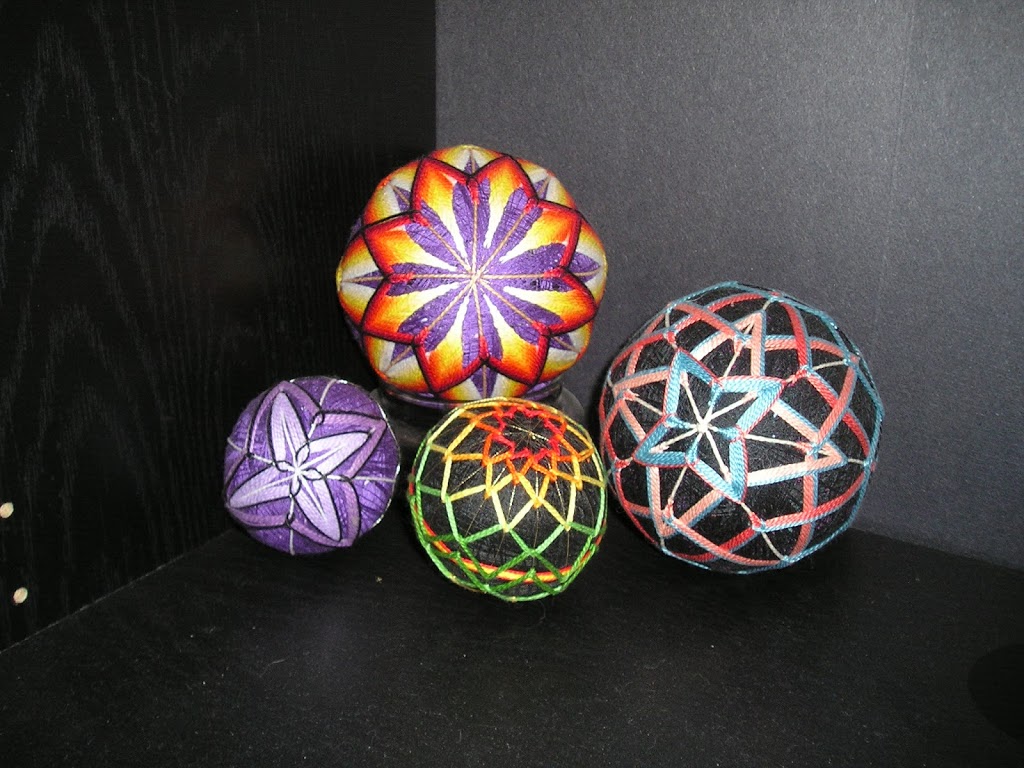
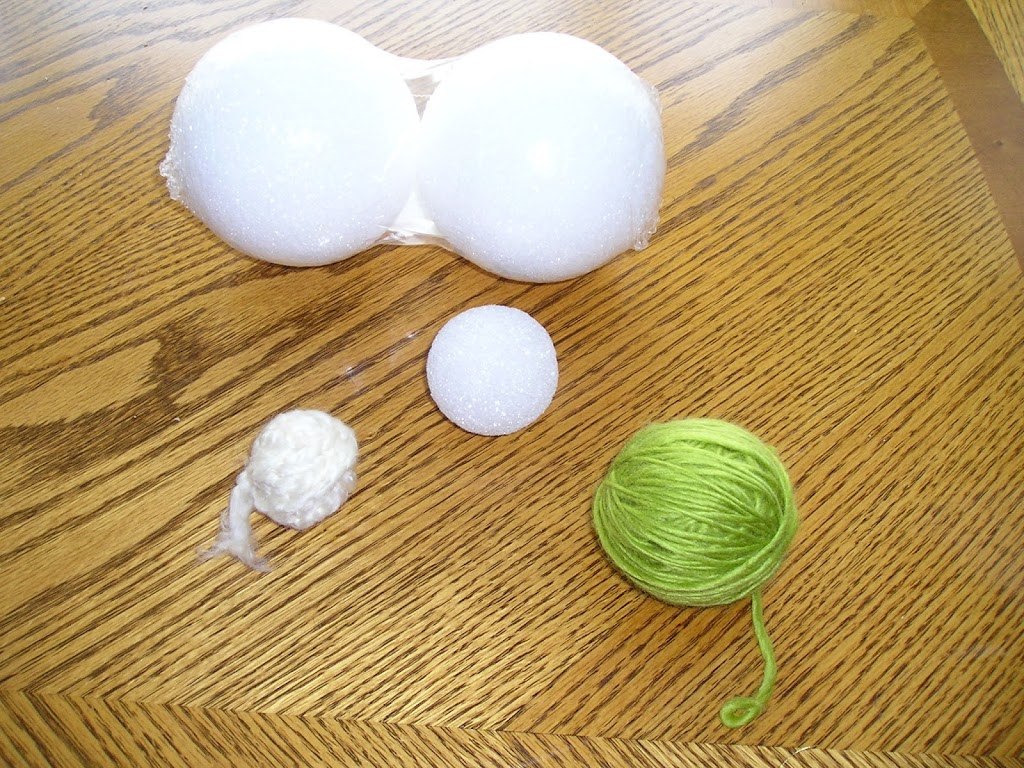
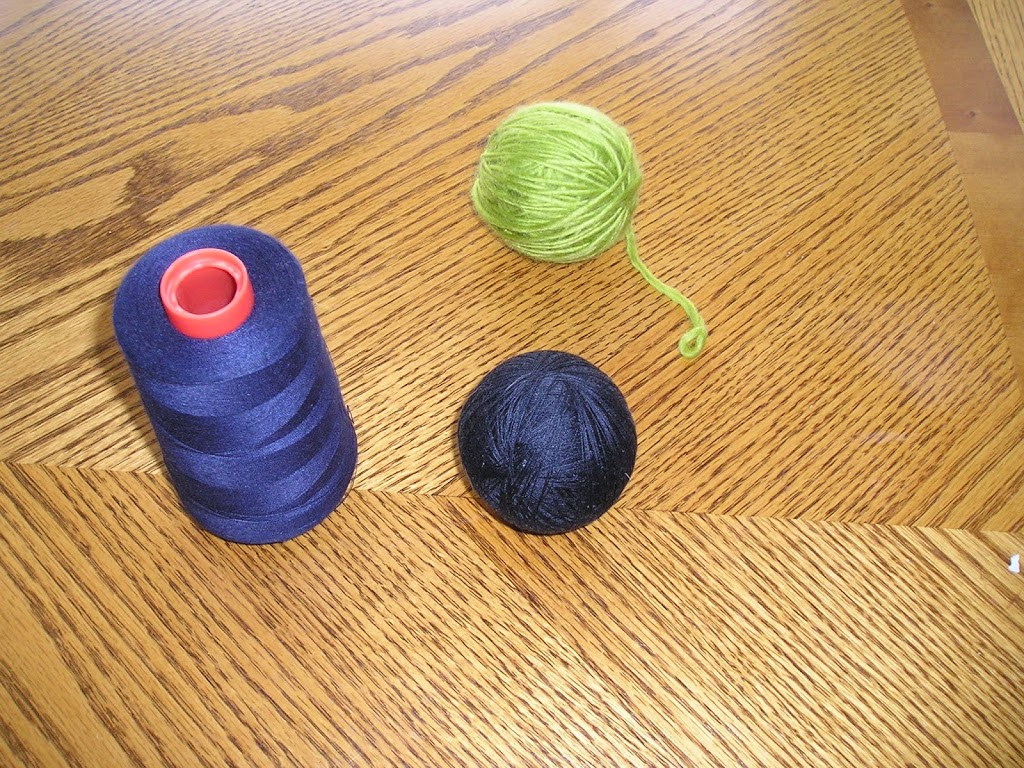
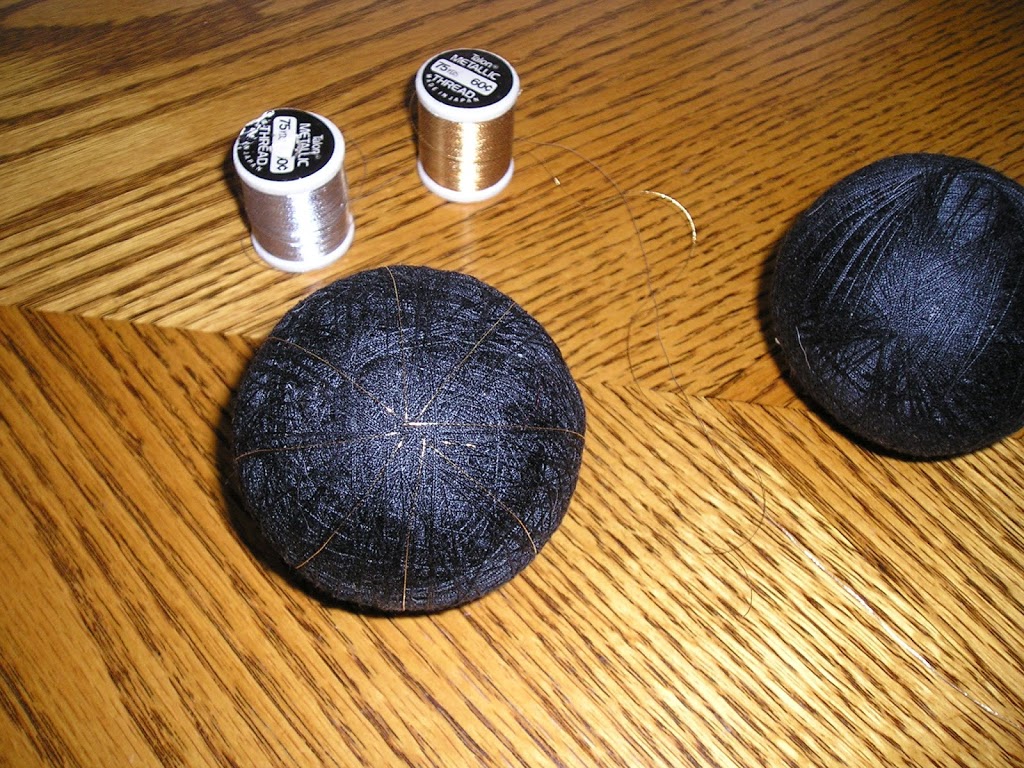
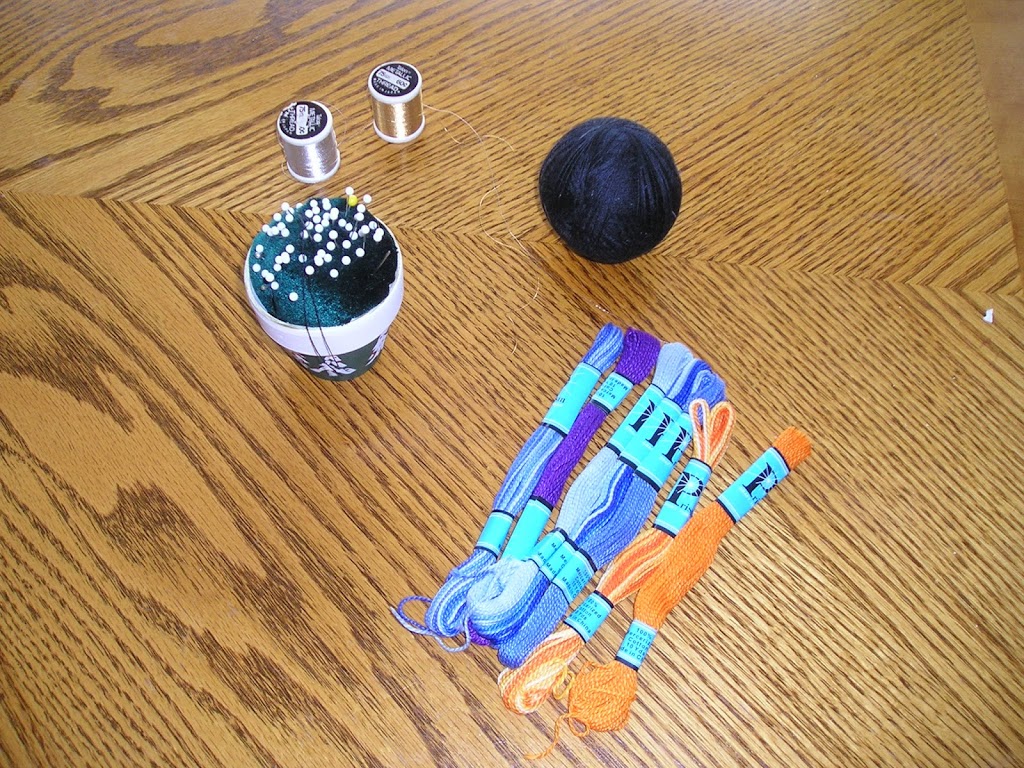
When you’ve completely covered the form, tuck in the end of the yarn so it doesn’t unravel and then begin wrapping thread around the yarn covered ball until you can’t see the yarn anymore. [Best to use thread in a different color from the yarn.] This part takes the longest and can use up quite a bit of thread. Turn the ball often to keep as round a shape as possible. Use the needle to tuck in the end of your thread so the ball doesn’t unravel. The thread layer allows you to ‘sew’ on the ball in any direction and gives you a place to anchor your stitches.
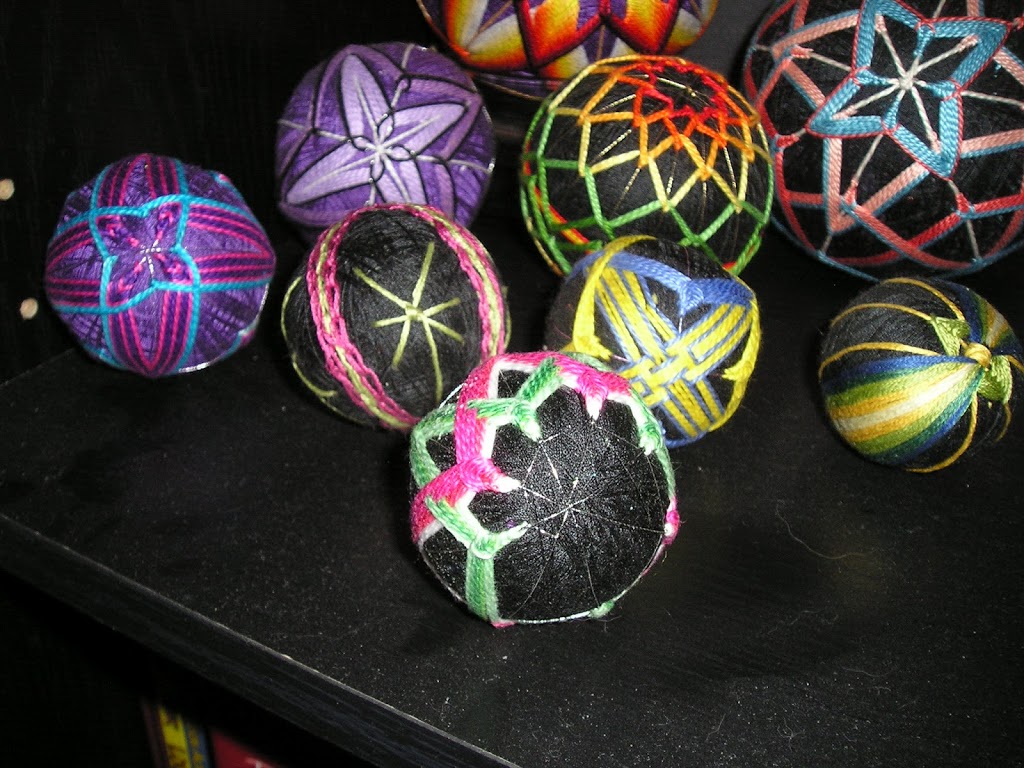
Coming soon – another chapter of The Night Is a Harsh Mistress.
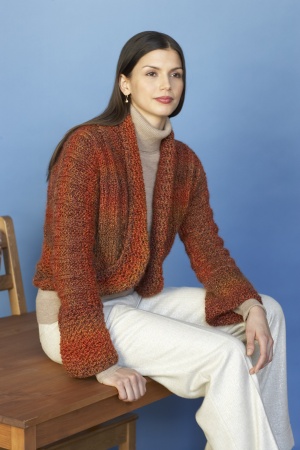 |
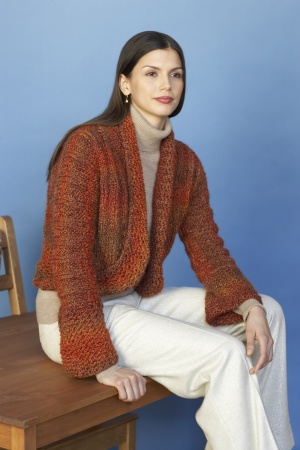
| Picture from Lion Brand website. |
My next project is the Everyday Flair Bolero by Lion Brand. It’s one of their free patterns. I’m making it out of the Edwardian colorway, which appears black but is heathered dark grey. It’s listed as a Beginner pattern, easy to make, but I disagree. It is a pretty pattern, and will look good on the friend I’m making it for. Boleros don’t look flattering on my figure but she is much shorter than I am and quite petite; the bolero will highlight her curves and look good on her body.
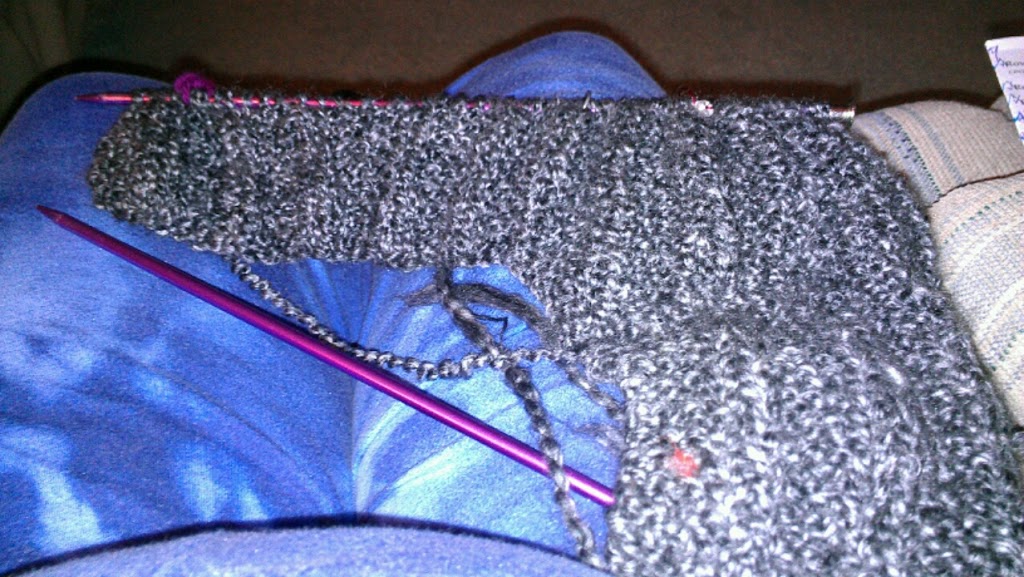
It turns out, when I read the comments for the pattern, I’m not alone in that opinion. The difficulty lies in the way the pattern is written. There are two issues with it: first, the order of operations is confusing and, second, the second front piece is merely written as “repeat but reverse all shaping.” I’m having to take very careful notes and use several markers to keep the pattern in order, which is ironic, since the pattern is a simple K3/P2 on RS, K on the WS. I restarted the second front piece four times, because the pattern is very easy to jog and won’t look good that way.
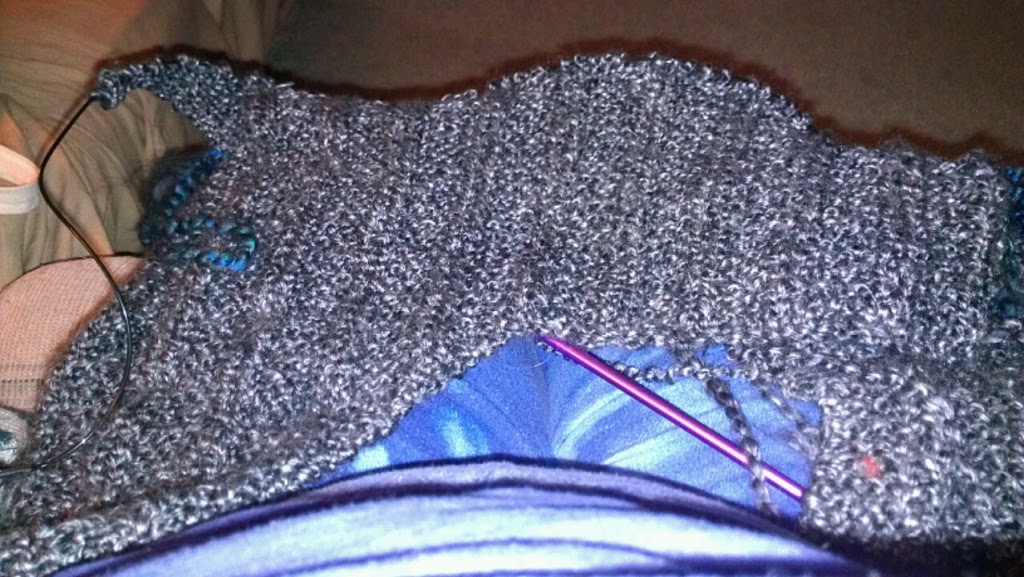 |
| This is the first front piece, showing the pattern of K3/P2 ribbing. On the WS, all stitches are K, which makes it appear like a garter rib stitch. When you finish the front of the sweater, you slide it off to a holder so I’m using a circular needle to hold the stitches in place. Each of these sides will be joined and the sweater finished in one piece. |
 |
| This is the second front piece, Take Four. 🙂 |
I should be finished with the second front piece today and will then join it. I will say, as long as the pieces are done correctly, the sweater knits up quickly.
As my vacation winds to a close, I wanted to talk a moment about the boxes of life and how we can use them as stepping stones and not enclosures.
One of my favorite quotes from Sarah Ban Breathnach isn’t exactly a quote, since I paraphrase it in my memory, it’s more of a concept. She points out that we can look at where we are in life at the moment as “this is where I am right now, not this is where I must stay for ever and ever. This is my body right now, or this is the state of my home right now. This is the state of my writing right now.” Adding the concept of “right now” changes it to a fact from an accusation and gives us back the power to change it.
When we recognize that we are living the results of our decisions, this knowledge at first can seem daunting because we realize, jeez, I’m living the result of my decisions. But then we realize that we can live today as the result of today’s decisions and that today, we can make different decisions than we have in the past.
What one thing could you change today that would make a meaningful impact on your week? Would it be to write in your journal? Take a walk? Join a gym? Write a gratitude list of all the things for which you are grateful?
It doesn’t take a lot to change the tide. If we make small steps that are in the direction we wish to go, then we begin the journey toward our dreams. Take heart, take a risk, and take responsibility. It’s your life. What will you do with it?
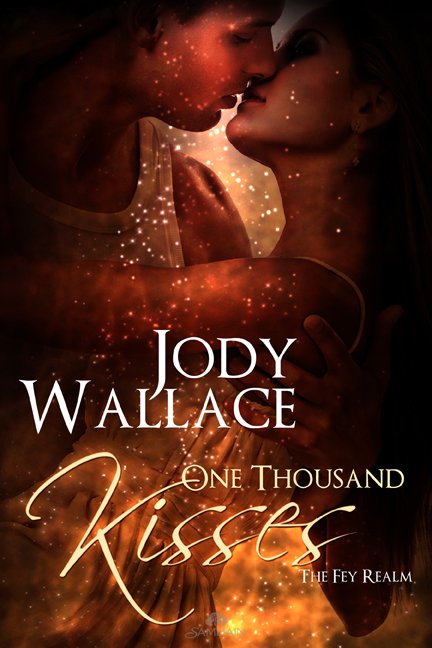
I’m so pleased to be able to bring you of my fellow Beyond the Veil authors, Jody Wallace. A fellow cat-lover, Jody is creative, modest, and talented. Please help me make her feel welcome at Knoontime Knitting.
KK: Tell me a little more about amigurumi. What is it? What do you like to make?
JW: Amigurumi is, according to Wiki, “the Japanese art of knitting or crocheting small stuffed animals and anthropomorphic creatures.” (From Wikipedia.) There’s more to it than that, but that’s the basic definition. I like to make scary little critters, people (I once made the characters of one of my romance novels) and other funky animals. I also like to make gifts for friends (zombie wedding cake topper!), family and industry professionals who visit our local RWA chapter. Note: I have my chapter’s approval to do this. I don’t just push the amigurumi on the editors and agents in a creepy fashion :).
KK: When did you learn to do it? Did you crochet for a while before you learned the art?
JW: My grandmother taught me some basic crocheting when I was a kid. I made a scarf. And half of a poncho. But the fact is, I’m lazy and a mini-project takes so much less time than a scarf or an afghan or a sweater. The first amigurumi I ever made was a tiny, evil gnome, also a character in one of my romance novels. I like to crochet hats, too, but today I’m talking amigurumi.
KK: Have you ever given a craft to a character? How did you go about it? What research did it require?
JW: Nothing extensive enough that required research, no. Since the plots of my books often involve the hero, heroine and other characters being jerked out of their ordinary lives to save the world and whatnot, the characters never have much time for knitting or woodworking.
KK: What effect does your writing have on your crafting and vice-versa? Does one fall off when the other is stronger, or do they synergize?
JW: I write more than I crochet, but sometimes I crochet writing-related items. In addition to the instances I mentioned above, I also make amigurumi for reader giveaways. Right now I’m working on a wee zombie horde that will function as basket toppers for a promo group organized by author TJ Michaels. The baskets will be given away at the Authors After Dark conference.
KK: What do you dream of making when you have the time or skills?
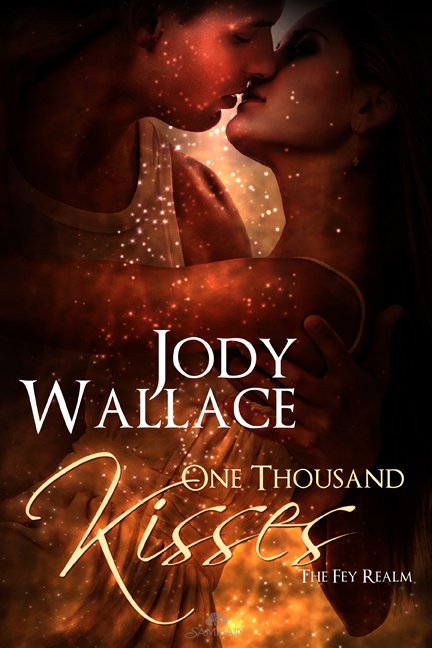
JW: Videos and comic strips featuring the amigurumi I created for my novel One Thousand Kisses. Alas, my time management skills, not to mention my graphics editing and videography skills, have not yet allowed me to complete this lofty goal.
KK: Where do you get ideas for your crafts?
JW: The garbage, usually. I also love the book Creepy Cute Crochet by Christen Haden.
Gallery
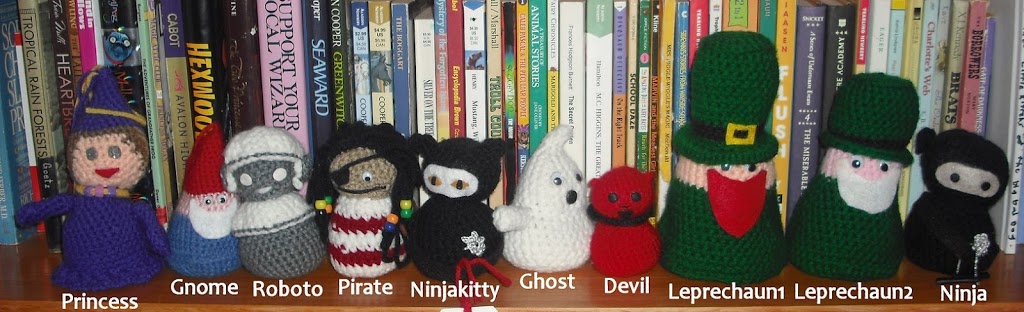 |
| Amigurumeme |
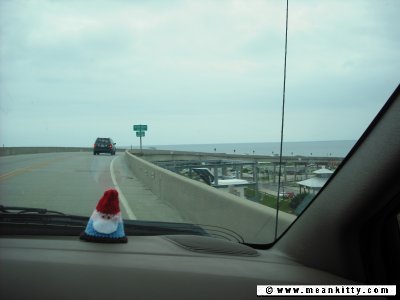 |
| Beachgnome |
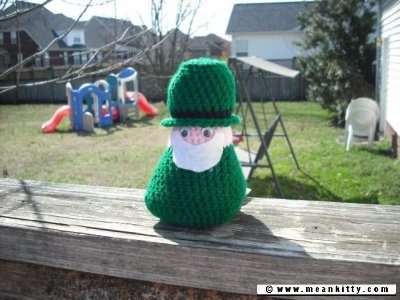 |
| Crochetchaun |
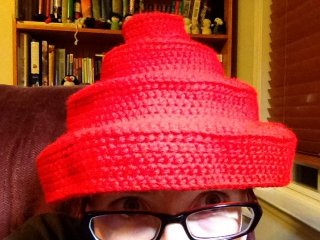 |
| Devohat (Note from Noony – I TOTALLY want one of these hats. Adorable!!) |
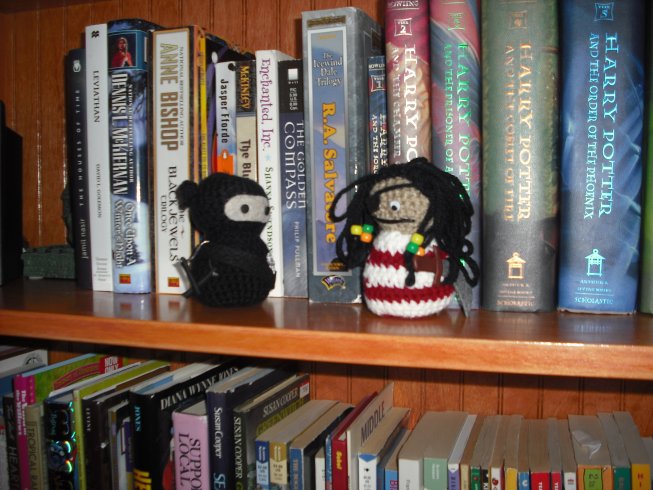 |
| PVSN21 |
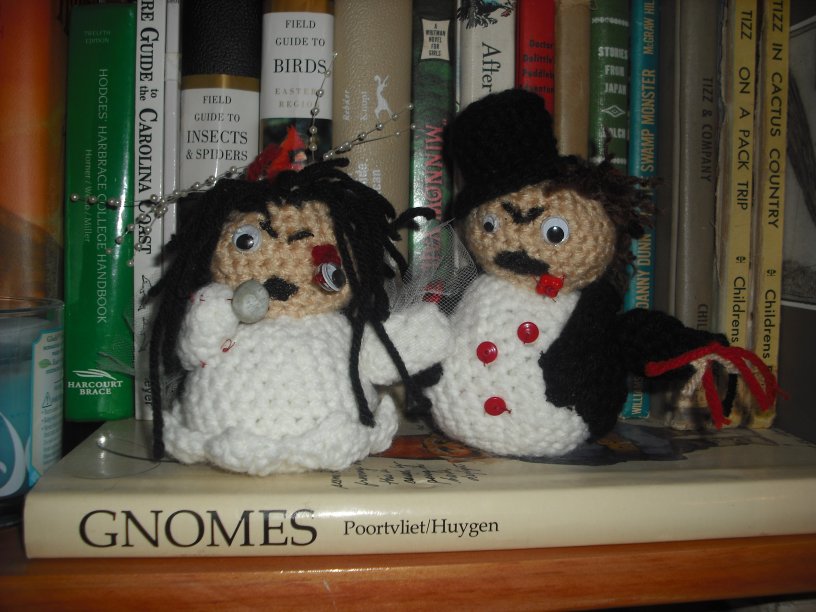 |
| Zombies (Awesome!) |
Biography
Jody Wallace grew up in the South in a very rural area. She went to school a long time and ended up with a Master’s Degree in Creative Writing. Her resume includes college English instructor, technical documents editor, market analyst, web designer, and general all around pain in the butt. She is a terrible packrat and likes to amass vintage clothing, books, Asian-inspired kitchenware, gnomes, and other items that threaten to force her family out of the house. She also likes cats. A lot.